
Why Is Galapagos Unlike Anywhere Else on Earth?
Discover how volcanoes, isolation and extraordinary wildlife shaped one of the most remarkable ecosystems on the planet.
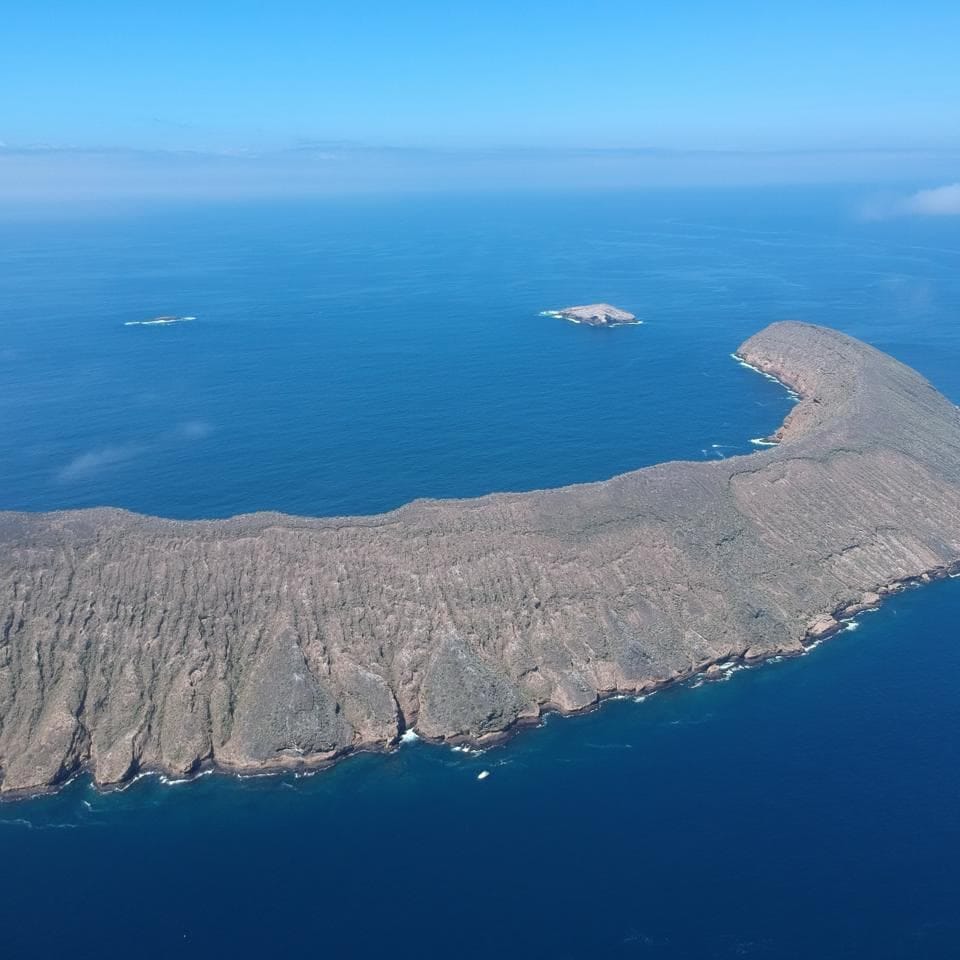
Born From Fire: The Islands That Rose From the Ocean
If you look across the Galapagos today, it is easy to admire the turquoise waters, volcanic landscapes and extraordinary wildlife. Yet only a few million years ago, none of these islands existed.
Everything began deep beneath the Pacific Ocean, where a powerful volcanic hotspot has been pushing molten rock toward the surface for millions of years. Layer after layer of lava cooled and hardened, eventually rising above the sea to create the Galapagos Archipelago.
Unlike many island chains that formed along tectonic plate boundaries, the Galapagos Islands sit above a relatively stationary mantle plume. As the Nazca Plate slowly moves eastward, older islands drift away while new volcanoes continue to emerge in the west. It is a remarkable geological process that is still shaping the archipelago today.
This is why every island tells a different story.
The eastern islands, including San Cristóbal and Española, are the oldest. Over millions of years, erosion has softened their volcanic landscapes, creating greener hills and gentler coastlines.
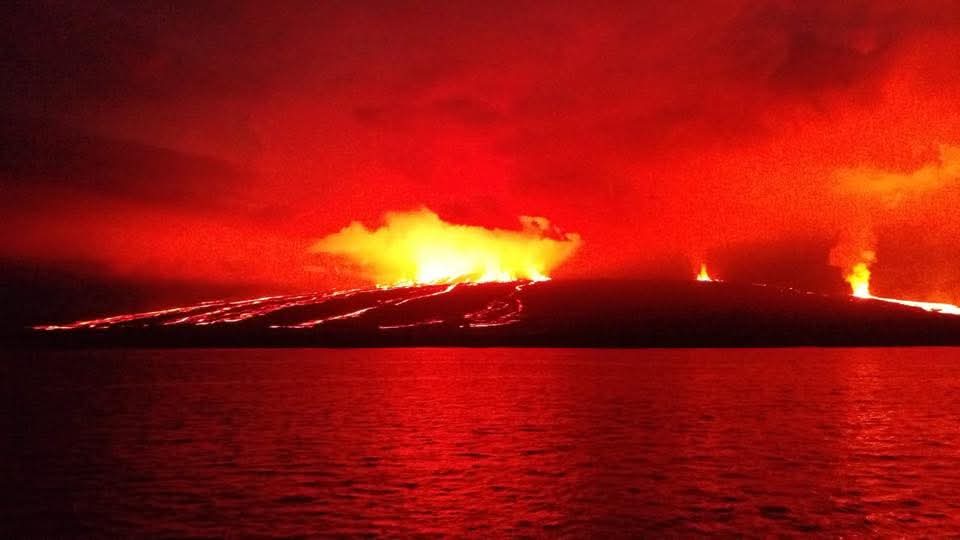
Farther west, Isabela and Fernandina are among the youngest islands on Earth. Their volcanoes remain active, and fresh lava flows continue to reshape the terrain, reminding visitors that Galapagos is not simply a destination—it is a living geological laboratory.
This extraordinary contrast between ancient and young islands has created an incredible diversity of habitats within a relatively small area. It also laid the foundation for one of the most fascinating natural experiments ever observed.
Evolution in Isolation: Nature's Greatest Experiment
When the first plants and animals reached the newly formed islands, they arrived by chance.
Seeds floated across the ocean on natural rafts of vegetation. Birds were carried by strong winds, while reptiles may have survived long journeys drifting on floating logs from mainland South America.
Once they arrived, everything changed.
Separated from the continent by nearly 1,000 kilometers of open ocean, these small populations became isolated from the rest of the world. With few predators, little competition and unique environmental conditions on each island, species gradually adapted in different ways over thousands of generations.
This process, known as natural selection, allowed animals and plants to evolve into forms found nowhere else on Earth.
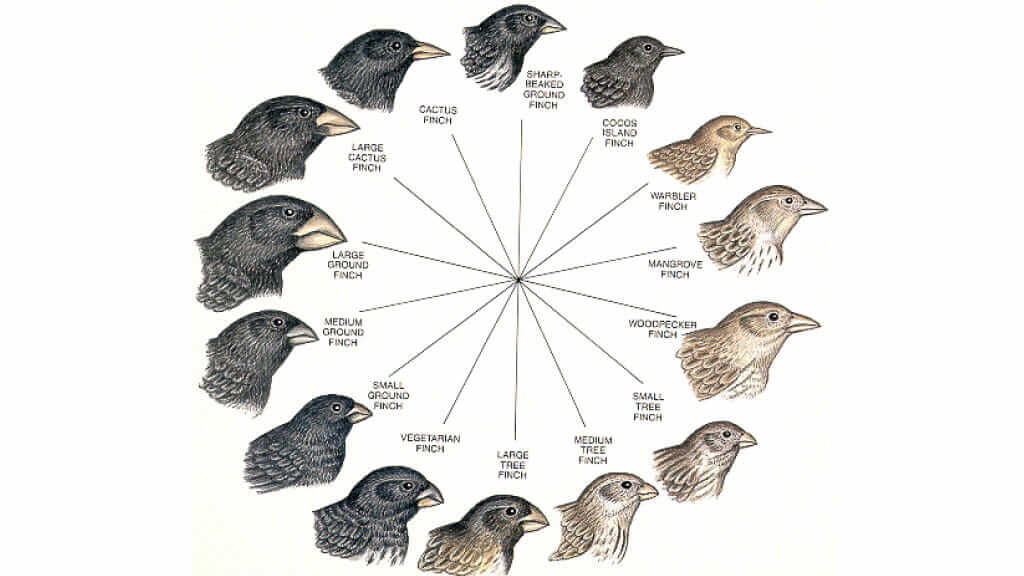
The famous Darwin's finches are perhaps the best-known example. Although they descended from a common ancestor, different populations developed specialized beaks depending on the food available on each island. Some evolved to crack hard seeds, others to catch insects, and some even learned to use tools.
The same pattern can be seen throughout the archipelago.
Marine iguanas became the world's only sea-going lizards, feeding on algae beneath the ocean's surface. Flightless cormorants gradually lost the ability to fly because they no longer needed to escape land predators, becoming exceptional underwater hunters instead.
Even the giant tortoises followed different evolutionary paths. Populations living on separate islands developed distinct shell shapes and body sizes, perfectly adapted to the vegetation and climate where they lived.
Rather than being frozen in time, the Galapagos Islands continue to demonstrate how life responds to changing environments. Evolution is not just part of the islands' history—it remains one of their defining characteristics today.
Galapagos does not simply preserve evidence of evolution. It allows visitors to observe adaptation across living species and landscapes.
Endemic Wildlife: Species Found Nowhere Else on Earth
Millions of years of geographic isolation allowed animals to adapt independently, producing some of the world's most extraordinary endemic species.
One of the greatest reasons travelers visit the Galapagos Islands is simple: many of the animals that live here cannot be found anywhere else on the planet.
Millions of years of geographic isolation allowed species to evolve independently, adapting to the unique conditions of each island. Over time, these isolated populations became entirely different from their mainland relatives, creating one of the highest concentrations of endemic wildlife on Earth.
Today, nearly every visitor encounters animals that exist only in Galapagos.
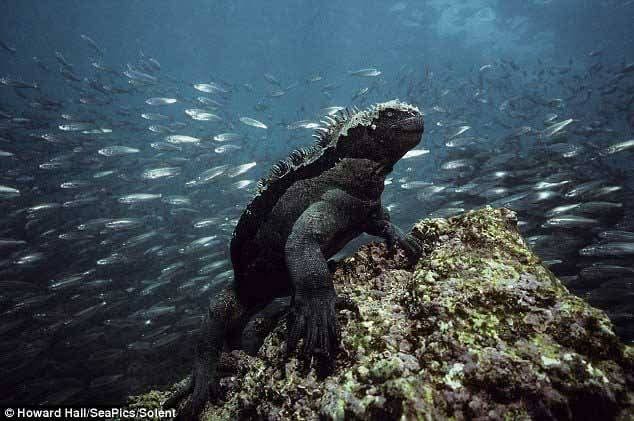
Marine Iguana
It dives beneath the waves to graze on marine algae before returning to black volcanic rocks to warm itself in the sun.
Explore Santa Cruz Tours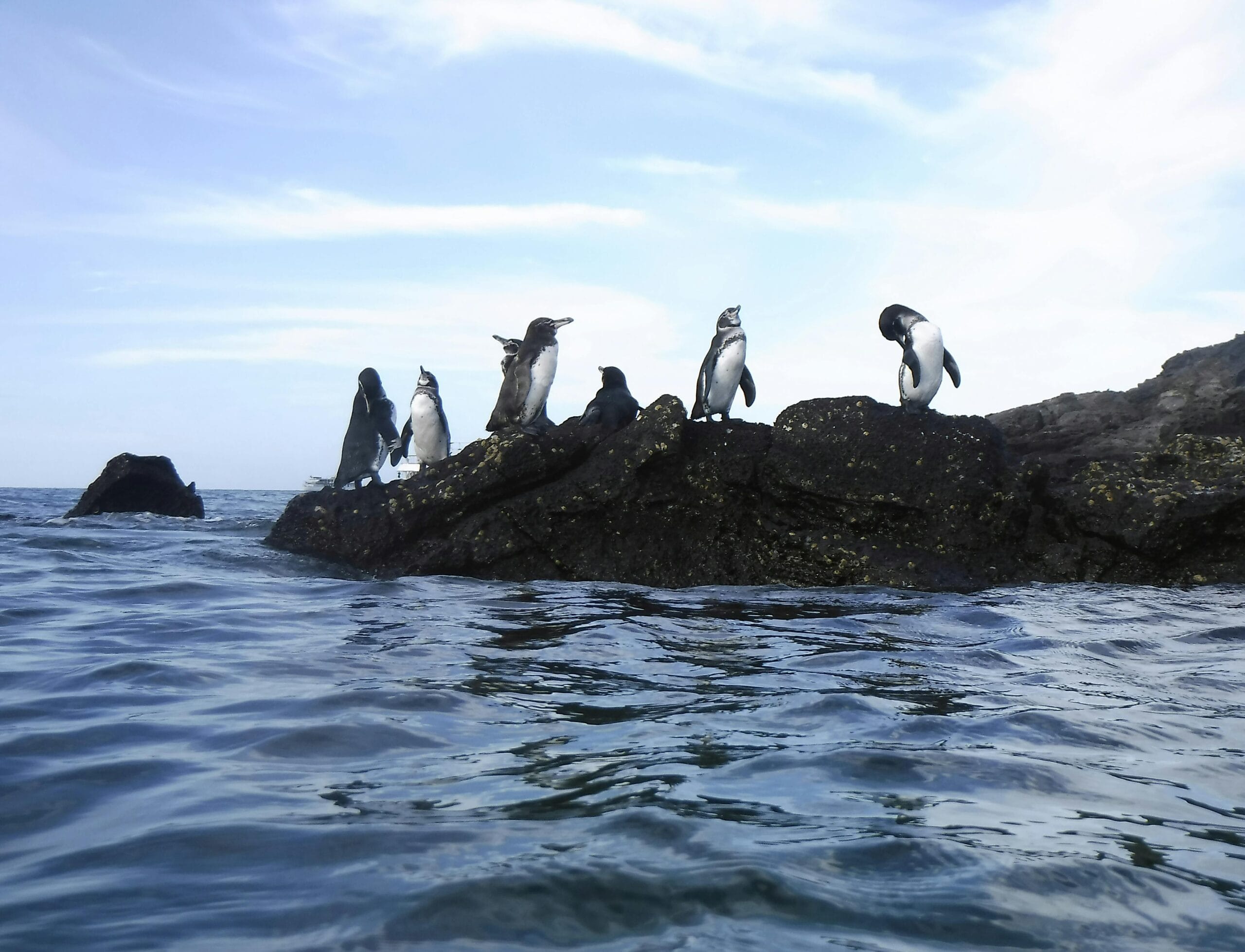
Galapagos Penguin
Cold, nutrient-rich currents allow this remarkable penguin to survive in the tropics, especially around the western islands.
Explore Isabela Tours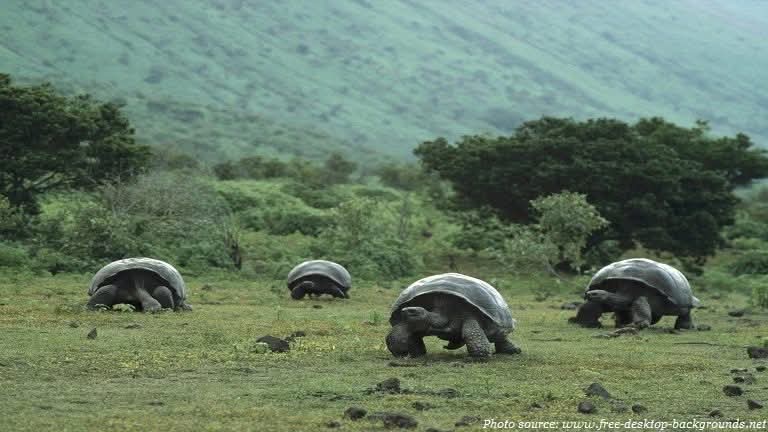
Giant Tortoise
Distinct shell shapes and body sizes reveal how separate populations adapted to different vegetation, climates and island habitats.
Explore Santa Cruz Tours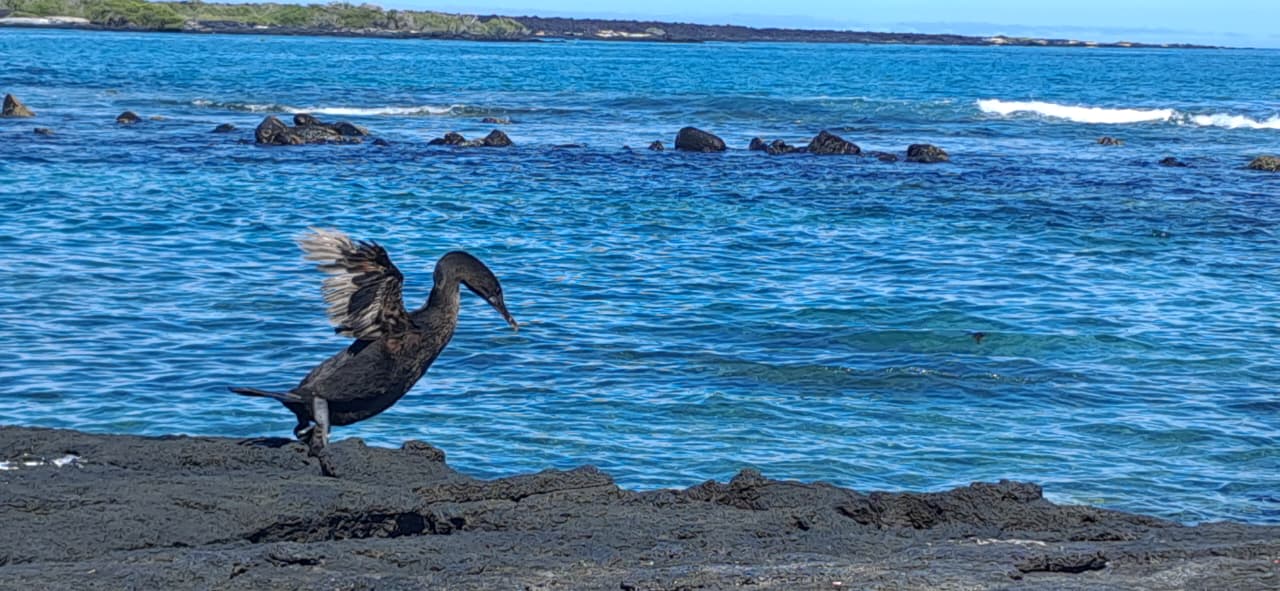
Flightless Cormorant
Over generations, its wings became smaller while its swimming ability improved, creating an exceptional underwater hunter.
Explore Galapagos Tours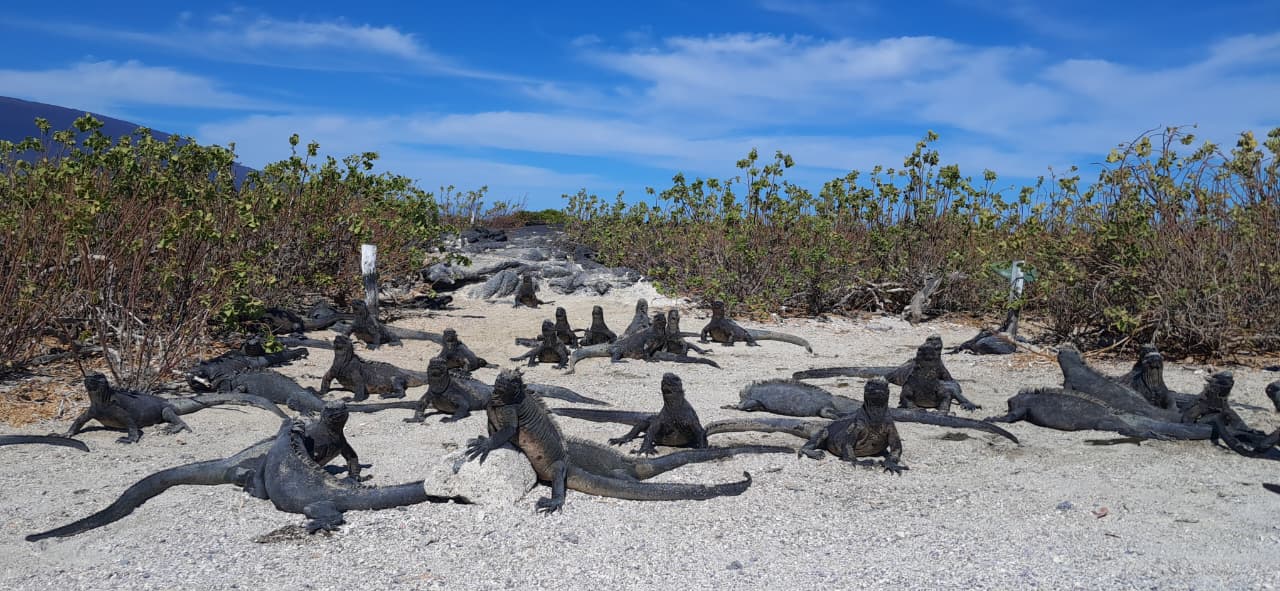
Galapagos Land Iguana
Land iguanas evolved to survive in arid volcanic environments, feeding on native vegetation and storing heat beneath the equatorial sun.
Explore Day ToursTogether, these species transform every excursion into something far beyond a typical wildlife tour. They allow visitors to observe evolution written into the living landscape itself.
The Invisible Force Behind Galapagos: Ocean Currents
While volcanoes created the islands, the surrounding ocean made life possible.
Beneath the surface, powerful ocean currents constantly collide around the Galapagos Archipelago, bringing enormous quantities of cold, nutrient-rich water from the depths of the Pacific. This invisible process supports one of the richest marine ecosystems on Earth.
The Humboldt Current, flowing north from Antarctica, cools the southern part of the archipelago and carries nutrients that fuel the entire food chain.
From the west, the Cromwell Current rises from the deep Pacific before striking the western islands. This phenomenon, known as upwelling, delivers an extraordinary concentration of nutrients that attracts fish, sea turtles, rays, sharks and countless other marine species.
Meanwhile, the Panama Current brings warmer tropical waters during part of the year, creating seasonal changes that influence water temperature, marine life and wildlife activity.
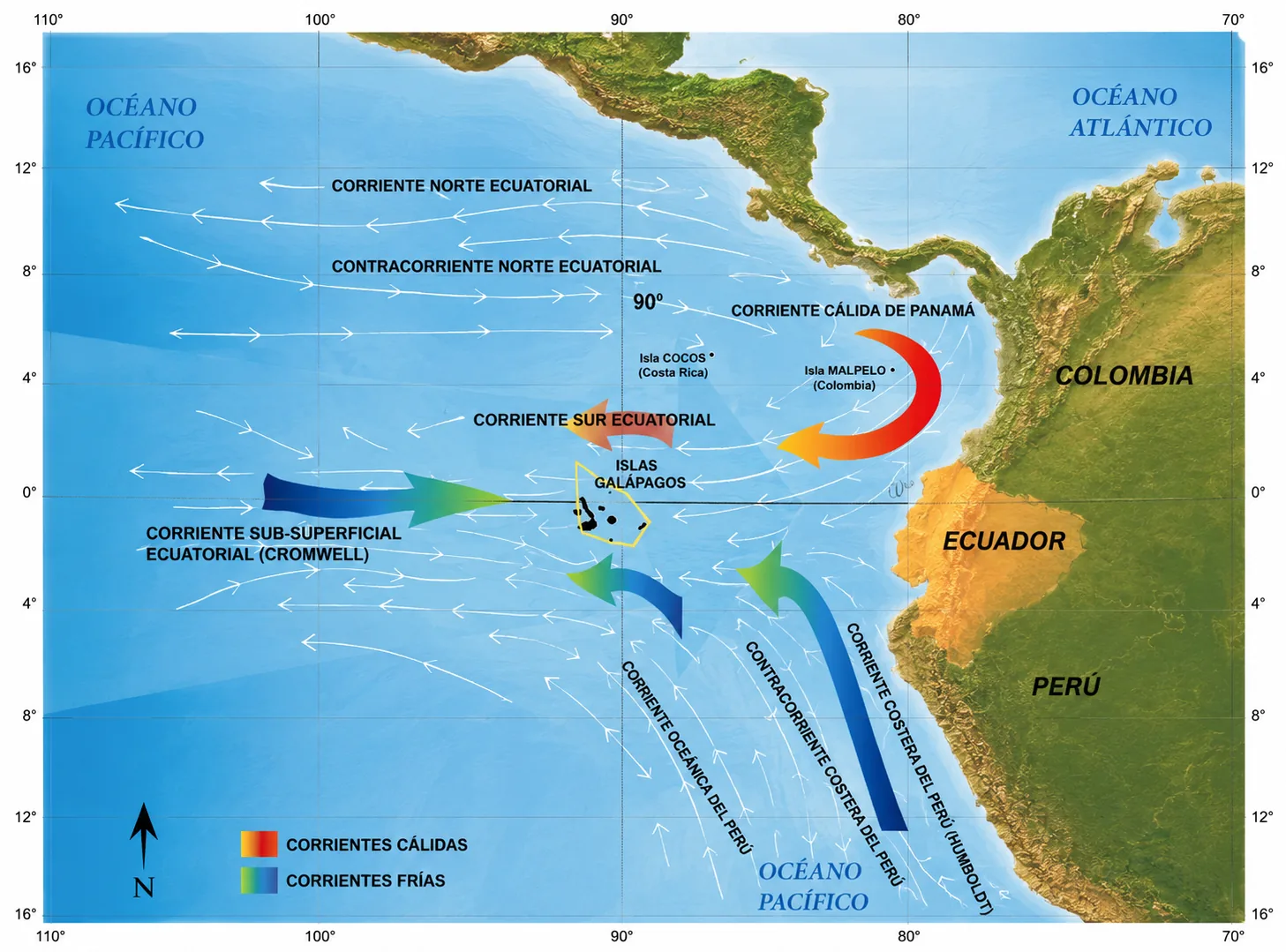
Humboldt Current
Flowing north from the waters of South America, it lowers temperatures and carries nutrients that help sustain the archipelago's marine food web.
Cromwell Current
Reaching Galapagos from the west, it pushes deep, nutrient-rich water toward the surface around Isabela and Fernandina.
Panama Current
Its warmer waters contribute to seasonal shifts in sea temperature, weather and wildlife activity across the islands.
The interaction of these three currents explains one of Galapagos' greatest mysteries.
Sea lions, penguins, marine iguanas, whale sharks, hammerhead sharks and colorful reef fish all share the same ecosystem because the surrounding ocean continually balances warm and cold conditions.
For divers and snorkelers, every season offers something different. Wildlife sightings shift as ocean temperatures and nutrient availability change throughout the year.
Without these powerful marine currents, the Galapagos Islands would never have become one of the world's most extraordinary wildlife destinations.
Why Wildlife Doesn't Fear Humans
One of the first things visitors notice in the Galapagos Islands is how incredibly close they can observe the wildlife.
Marine iguanas rest quietly beside walking trails, sea lions sleep on park benches, blue-footed boobies continue their courtship dances while visitors watch nearby, and giant tortoises calmly graze just a few meters away.
For many travelers, it almost feels as if the animals have no fear of people.
The explanation goes back millions of years.
Before humans arrived, the Galapagos Islands had almost no large land predators. Mammals capable of hunting birds, reptiles or tortoises simply did not exist. As a result, many species evolved without developing the instinct to flee from every movement around them.
This natural behavior makes Galapagos one of the very few places in the world where wildlife observation feels remarkably intimate.
However, this trust also creates an enormous responsibility.
Visitors are required to respect strict conservation rules designed to protect the animals from unnecessary stress and human impact. Maintaining the recommended distance, staying on marked trails and never feeding wildlife are essential principles that help preserve the natural behavior of every species.
The goal has never been to make wildlife comfortable with humans.
Instead, conservation efforts ensure that human presence has as little impact as possible, allowing future generations to experience the islands in the same extraordinary way.
This balance between accessibility and protection is one of the reasons why Galapagos remains one of the world's greatest wildlife destinations.
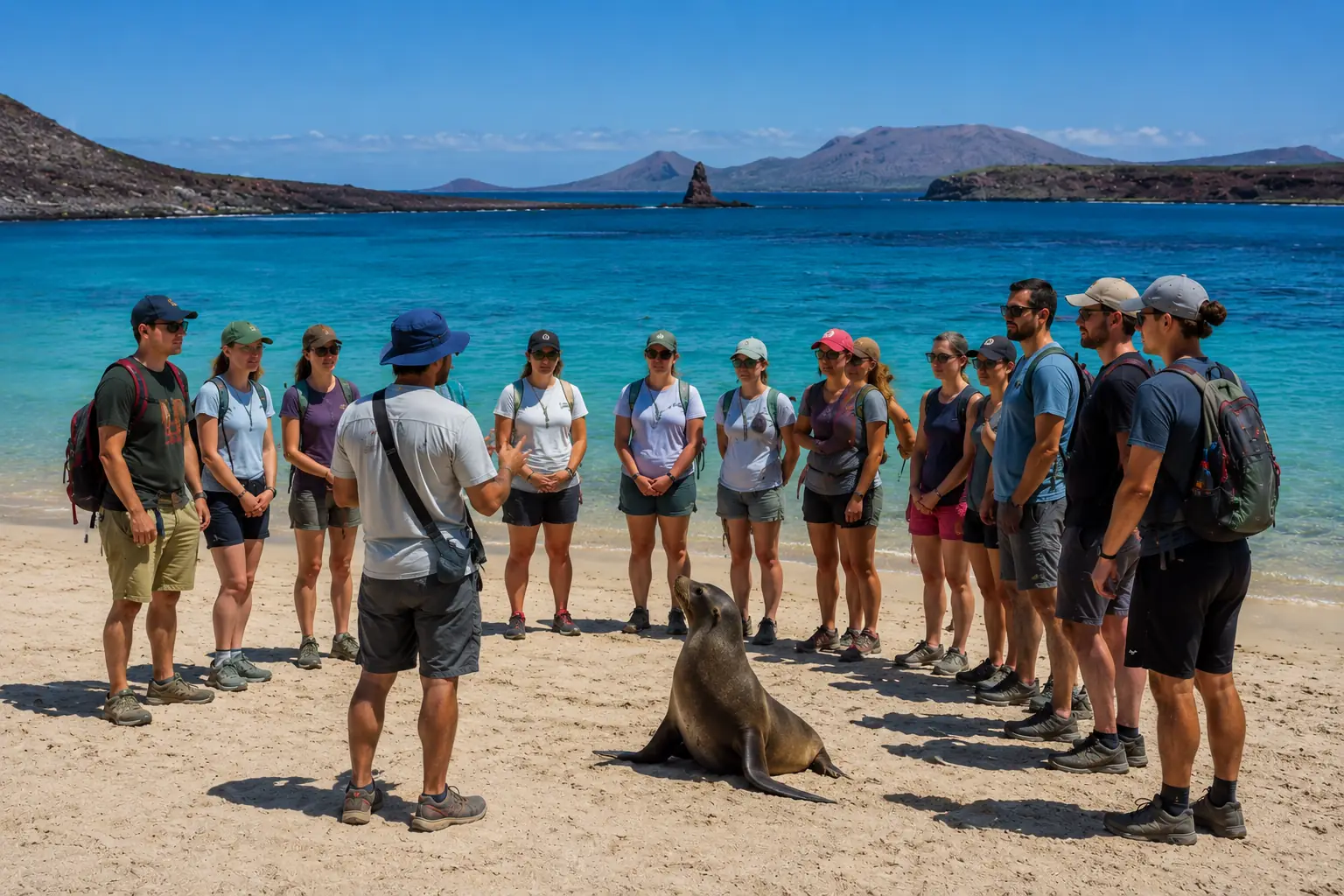
Allow animals to move, rest and feed without changing their natural behavior.
Designated routes protect nesting areas, fragile vegetation and visitor safety.
Human food can alter animal behavior and damage the health of native species.
Protecting One of the World's Most Extraordinary Ecosystems
The Galapagos Islands are often described as one of the last great natural sanctuaries on Earth.
That reputation exists because conservation has always been treated as a priority.
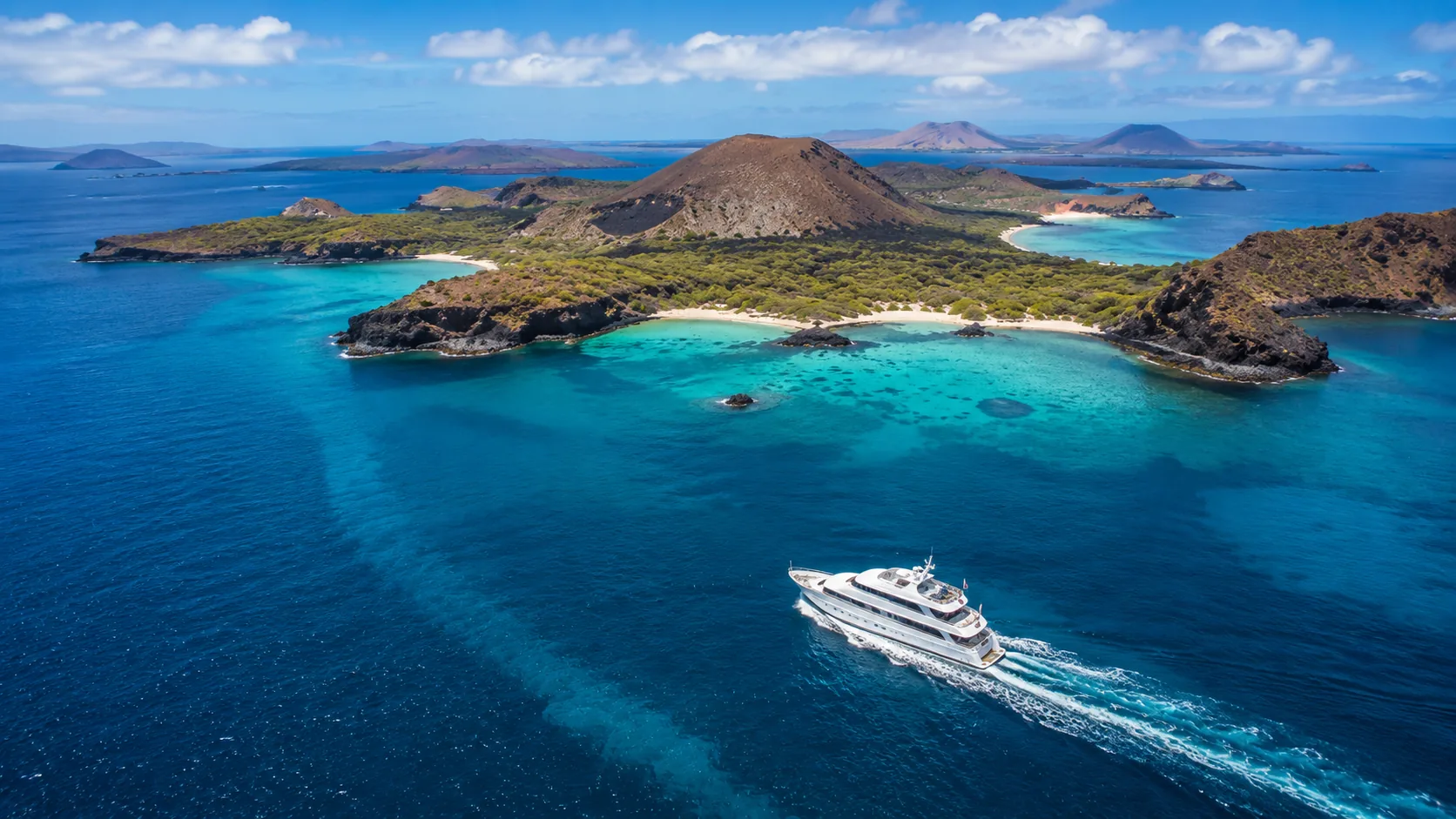
Nearly the entire archipelago is protected by the Galapagos National Park, while the surrounding waters form one of the largest marine protected areas in the world. Together, these protected environments safeguard thousands of species, many of which exist nowhere else on the planet.
Scientists, park rangers, local communities and responsible tourism operators work together every day to preserve this extraordinary ecosystem.
Conservation efforts include protecting nesting beaches, restoring native habitats, controlling invasive species, monitoring marine life and supporting scientific research that helps guide future decisions.
Visitors also play an important role.
Choosing responsible tour operators, following park regulations and respecting wildlife are simple actions that help ensure the islands remain healthy for future generations.
Every photograph taken without disturbing an animal, every trail followed responsibly and every conservation rule respected contributes to protecting one of Earth's greatest natural treasures.
Galapagos is far more than a destination.
It is a place where science, nature and conservation continue to shape the future together.
Conservation programs protect ecosystems damaged by invasive species and human impact.
Research helps authorities understand changes affecting sharks, turtles, seabirds and other wildlife.
Licensed guides and regulated visitor sites reduce pressure on fragile environments.
Communities, researchers and park staff share responsibility for the future of the islands.
Frequently Asked Questions About the Galapagos Islands
Quick answers to some of the most common questions about the geology, wildlife and natural history of Galapagos.
Why are the Galapagos Islands considered unique?
The Galapagos Islands are one of the most unique destinations on Earth because of their volcanic origin, geographic isolation and exceptional biodiversity. Many species evolved independently over millions of years and can only be found in this archipelago.
Why did Charles Darwin visit the Galapagos Islands?
Charles Darwin visited the Galapagos in 1835 during the voyage of HMS Beagle. His observations of wildlife—especially the finches and giant tortoises—helped shape the scientific ideas that later became the Theory of Evolution by Natural Selection.
Why do so many animals exist only in Galapagos?
Because the islands remained isolated for millions of years, animals and plants evolved separately from their mainland relatives. This long period of isolation created hundreds of endemic species that exist nowhere else in the world.
Are the Galapagos Islands still volcanically active?
Yes. Several volcanoes remain active, particularly on Isabela and Fernandina Islands. New lava flows continue to reshape parts of the archipelago, making Galapagos one of the world's youngest and most dynamic volcanic regions.
Why can marine iguanas swim?
Marine iguanas evolved to feed on algae growing beneath the ocean's surface. Over thousands of generations, they developed powerful tails, strong claws and the ability to dive, becoming the world's only marine lizard.
Why do animals allow people to get so close?
For millions of years, Galapagos had almost no large terrestrial predators. As a result, many native species never developed the instinct to flee from land animals. Today, visitors must still maintain a respectful distance and follow National Park regulations to protect this natural behavior.
What is the best time to visit Galapagos?
Galapagos offers wildlife experiences throughout the year. The warm season (December to May) generally provides calmer seas and warmer water, while the cooler season (June to November) brings nutrient-rich waters that attract larger marine life.
Can you visit Galapagos without taking a cruise?
Yes. Many travelers choose a land-based itinerary, staying in hotels on Santa Cruz, Isabela and San Cristóbal while joining guided day tours and inter-island transportation. This allows visitors to explore the islands at a more flexible pace.
Why are ocean currents so important?
The Humboldt, Cromwell and Panama Currents transport enormous amounts of nutrients into the Galapagos Marine Reserve. These nutrients support one of the richest marine ecosystems on Earth, making the islands famous for sharks, sea turtles, penguins, sea lions and countless other species.
How can visitors help protect Galapagos?
Respect wildlife, remain on marked trails, avoid touching or feeding animals, choose responsible local operators and follow all Galapagos National Park regulations. Responsible tourism helps preserve this extraordinary ecosystem for future generations.
Experience the Galapagos Islands With Local Experts
The Galapagos Islands are far more than a destination filled with beautiful landscapes and remarkable wildlife.
They are a living example of how geology, evolution and conservation continue to shape one of the most extraordinary ecosystems on Earth. Every island, every volcanic trail and every wildlife encounter tells a story that began millions of years ago and continues today.
Whether you dream of snorkeling with sea lions, hiking active volcanoes, observing giant tortoises in their natural habitat or discovering remote visitor sites, the experience becomes even more meaningful with careful planning and local knowledge.
At Galapagos Trails, our local team helps travelers create personalized itineraries based on their interests, travel style and available time. From island hopping and day tours to diving adventures and tailor-made packages, we are here to help you experience the Galapagos Islands in the best possible way.
Your adventure begins long before you arrive. It begins with choosing the right route.
Tell us your travel dates, interests and preferred activities, and our local specialists will help design a personalized Galapagos itinerary created just for you.
Every itinerary is planned with local knowledge, careful logistics and respect for the protected environment.