GALAPAGOS WILDLIFE GUIDE
Meet the extraordinary wildlife of the Galápagos
Discover the iconic animals that make the Galápagos Islands one of the world's most extraordinary wildlife destinations. Learn where to find each species, the best time to see it and your chances of encountering it during your journey.
BENEATH THE SURFACE
Marine Life
From whale sharks and hammerheads to sea turtles, rays and the extraordinary red-lipped batfish, Galápagos waters offer some of the most remarkable marine encounters on Earth.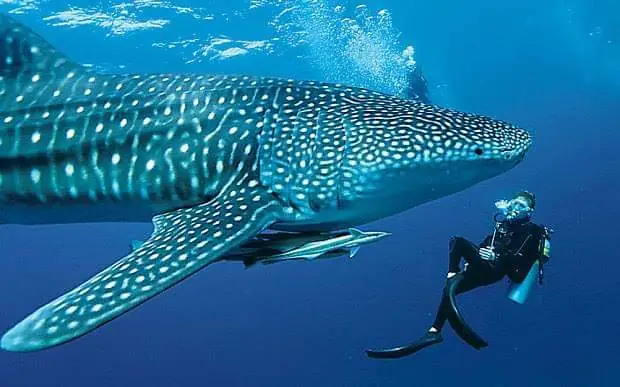 Moderate in season
Whale Shark
The world's largest fish and one of the ultimate encounters of an eight-day Galápagos liveaboard diving expedition.
 Moderate
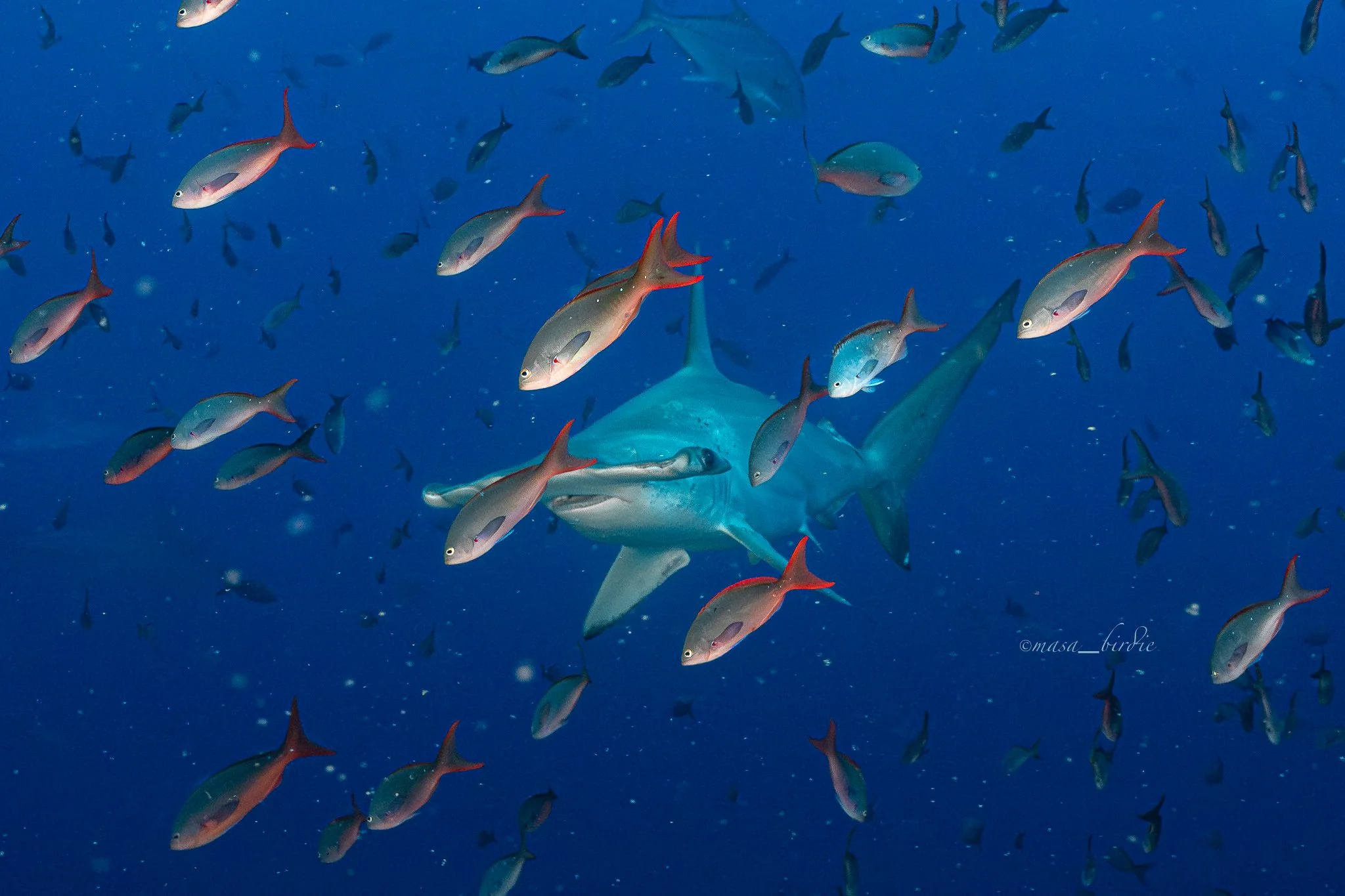
Scalloped Hammerhead Shark
Galápagos is one of the world's legendary destinations for encounters with schools of scalloped hammerheads.
 Moderate
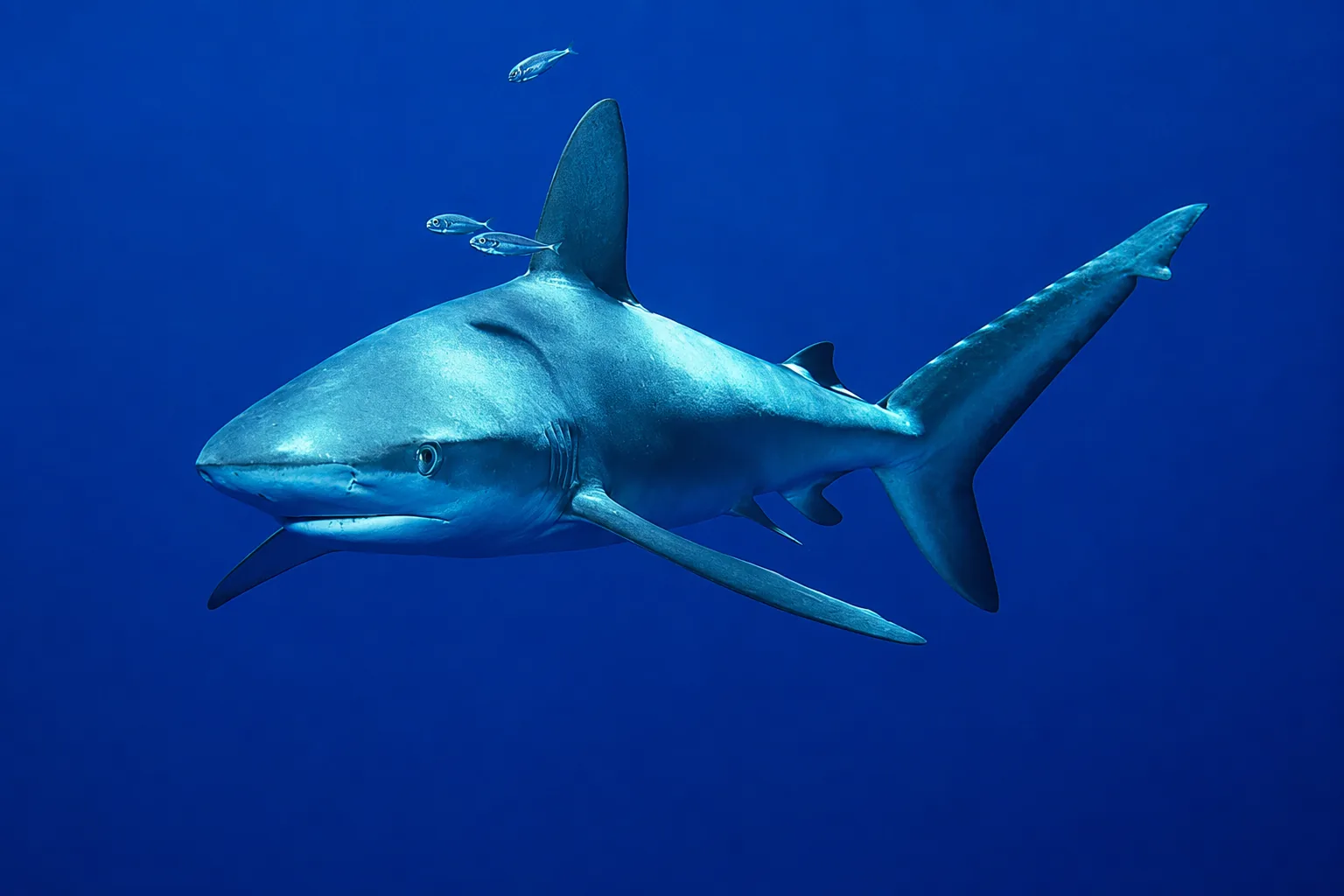
Galápagos Shark
A powerful open-water shark encountered around remote reefs and premier Galápagos diving sites.
 Easy
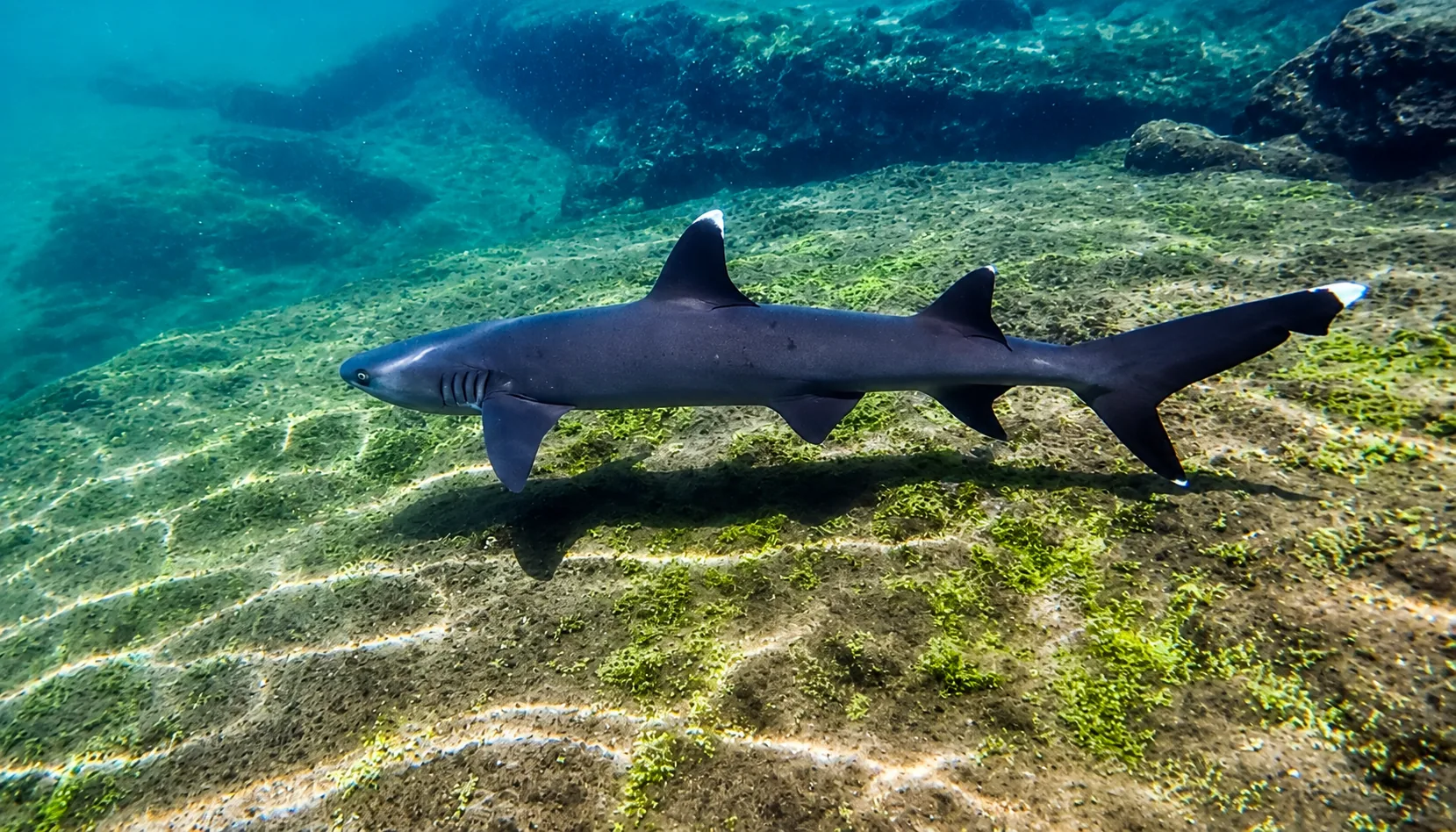
EasyWhite-tip Reef Shark
One of the most frequently observed sharks in Galápagos during both snorkeling and diving excursions.
 Difficult
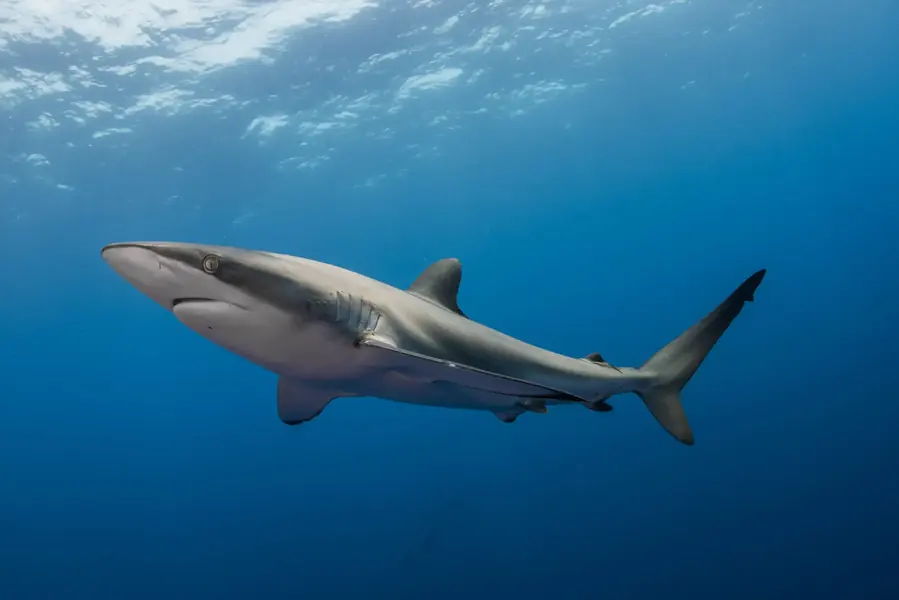
Silky Shark
A sleek pelagic shark best encountered during liveaboard diving expeditions to the remote northern islands.
 Difficult
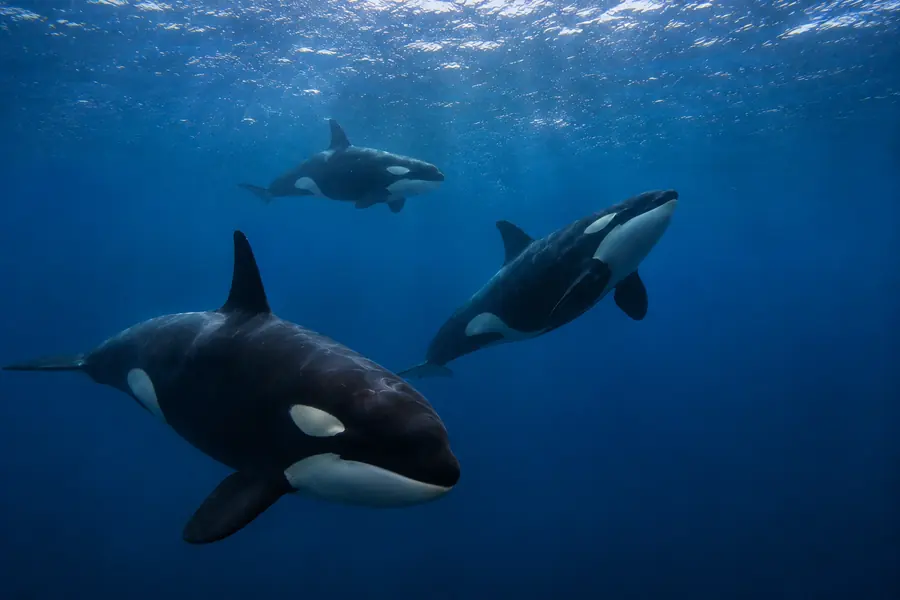
Orca
One of the rarest and most unforgettable wildlife encounters possible in the Galápagos archipelago.
 Easy
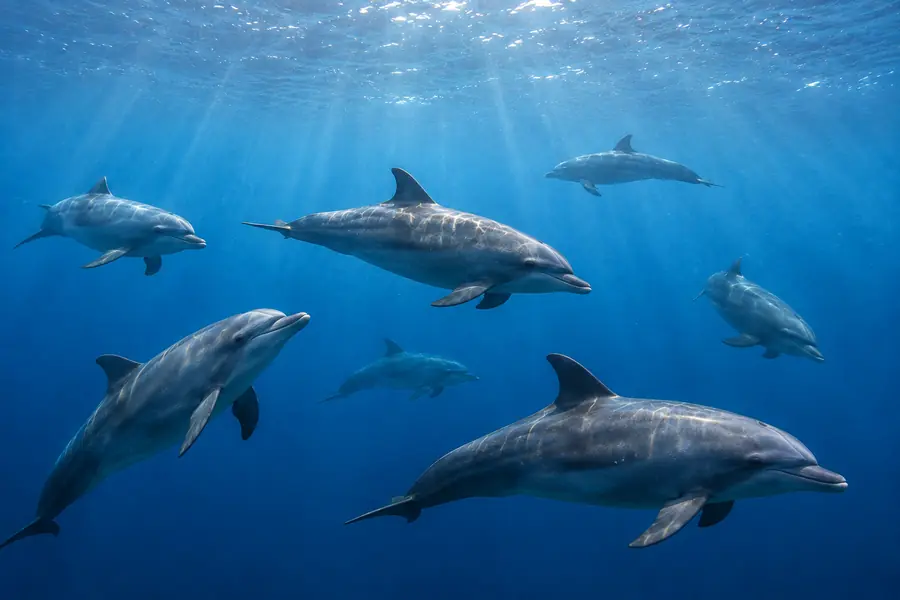
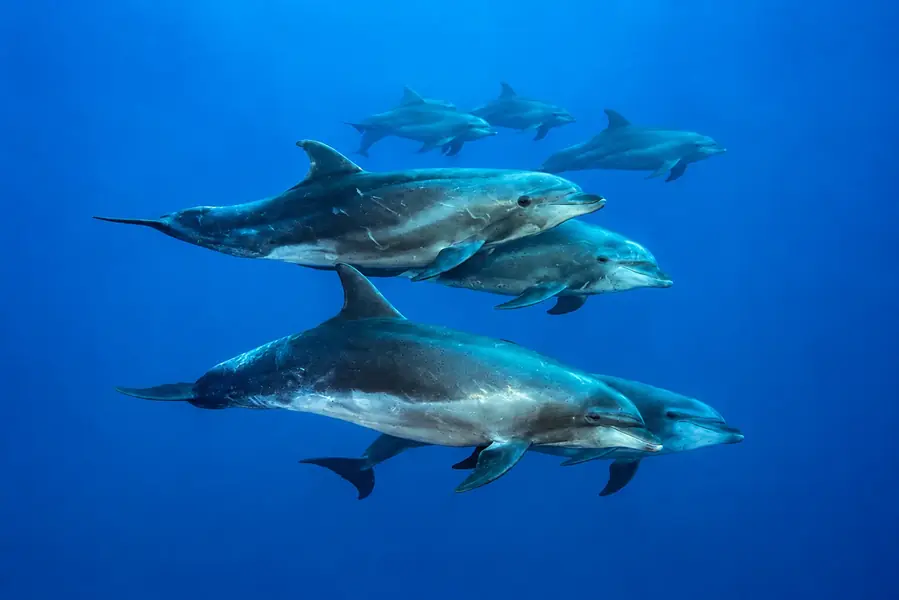
EasyBottlenose Dolphin
Frequently seen traveling beside boats and across the open channels between the islands.
 Moderate
Common Dolphin
Fast-moving and highly social dolphins occasionally encountered in large groups while navigating between islands.
 Difficult
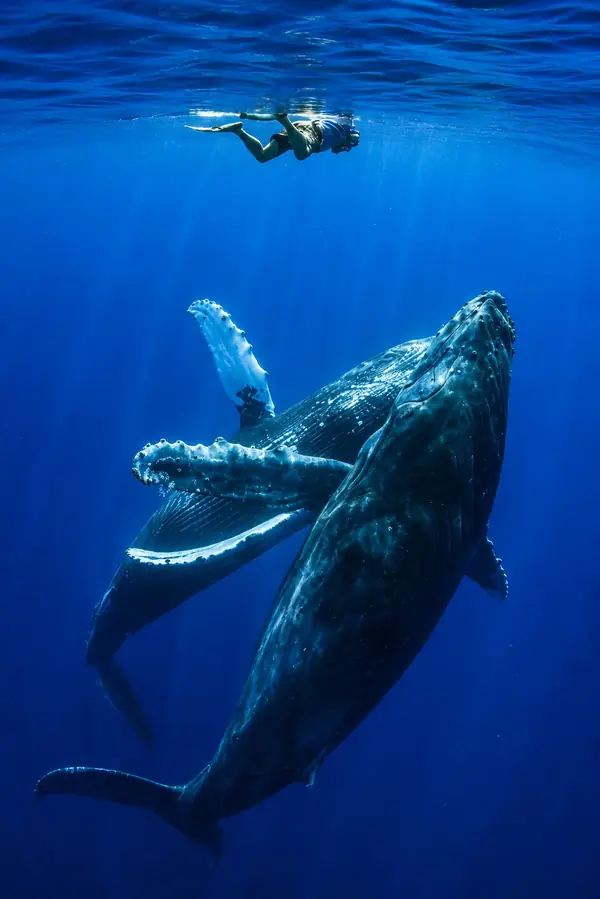
Humpback Whale
Seasonal visitors occasionally seen breaching and traveling through the nutrient-rich waters of the archipelago.
 Very Easy
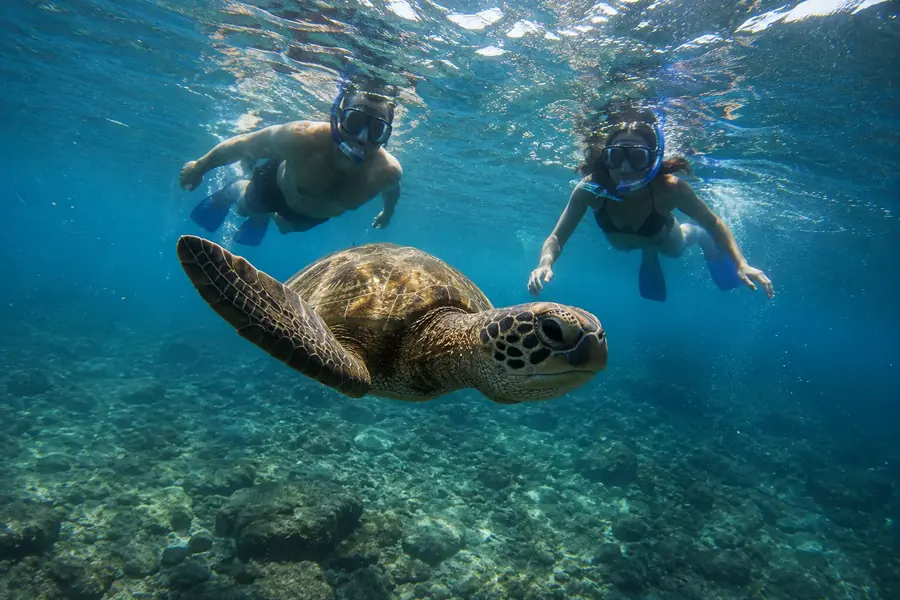
Green Sea Turtle
One of the easiest marine animals to encounter while snorkeling and diving throughout Galápagos.
 Very Easy
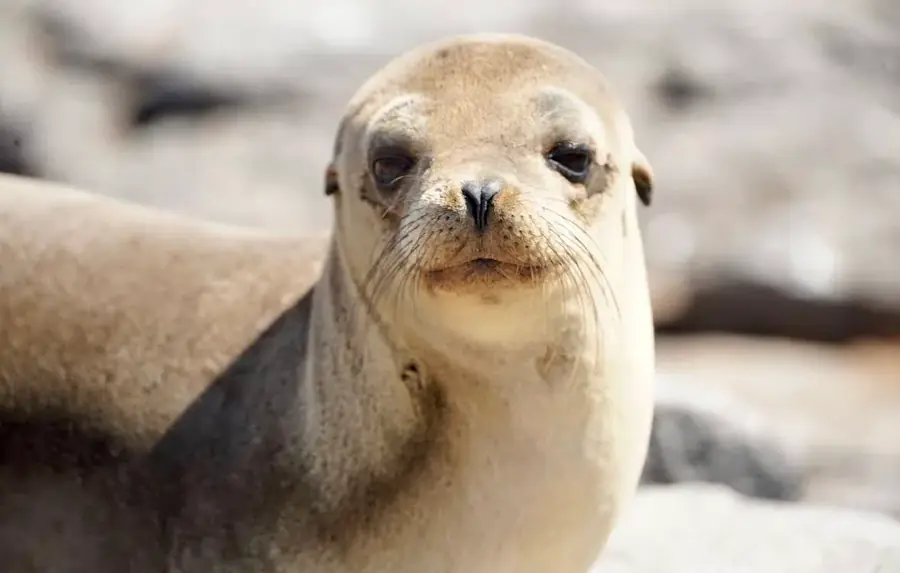
Sea Lion
Curious, playful and one of the most iconic animals visitors encounter both on land and underwater.
 Moderate
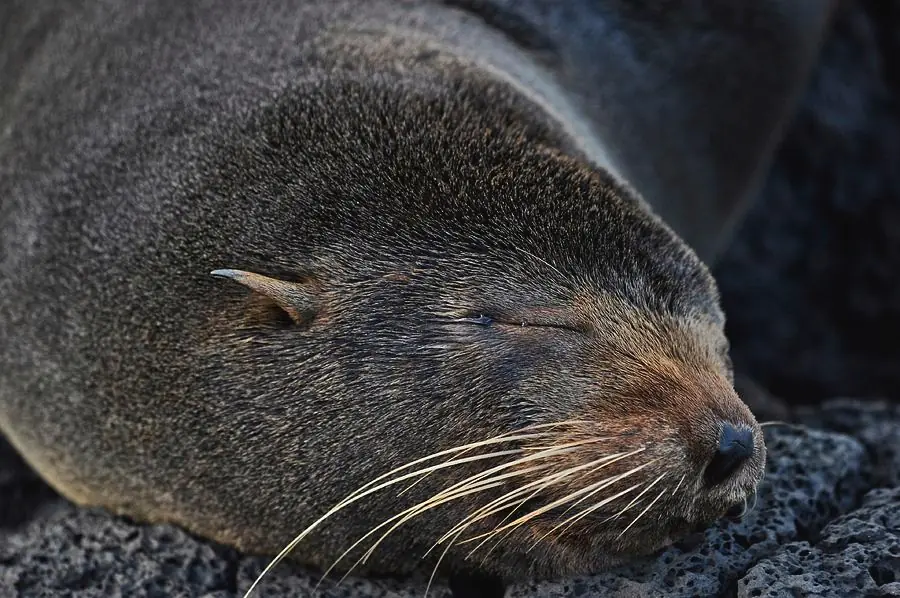
Galápagos Fur Seal
EndemicSmaller and more elusive than the sea lion, often resting along rocky coastlines and shaded lava formations.
 Easy
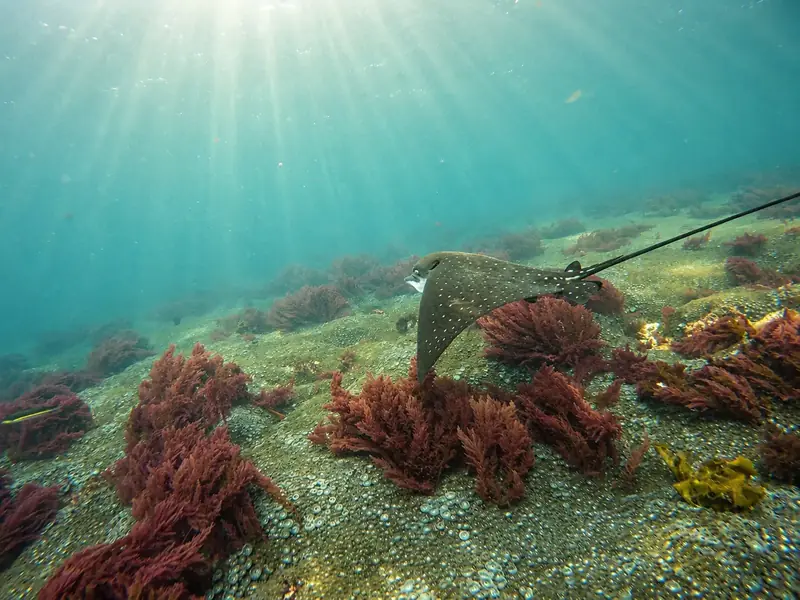
EasyEagle Ray
Elegant rays often seen gliding effortlessly above reefs and sandy bottoms.
 Moderate
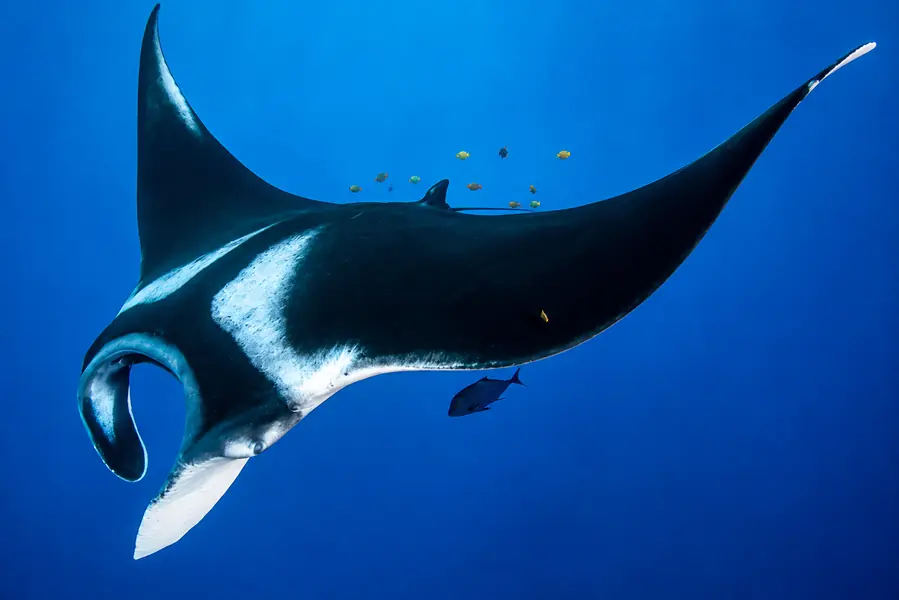
Manta Ray
Giant oceanic mantas are among the most impressive pelagic animals encountered in Galápagos waters.
 Very Difficult
Mola Mola
The enormous ocean sunfish is one of the most sought-after rare encounters for Galápagos divers.
 Moderate
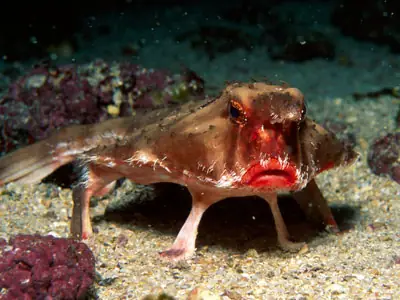
Red-lipped Batfish
EndemicOne of the strangest Galápagos fish, famous for its vivid red lips and unusual habit of moving along the seafloor.
 Moderate
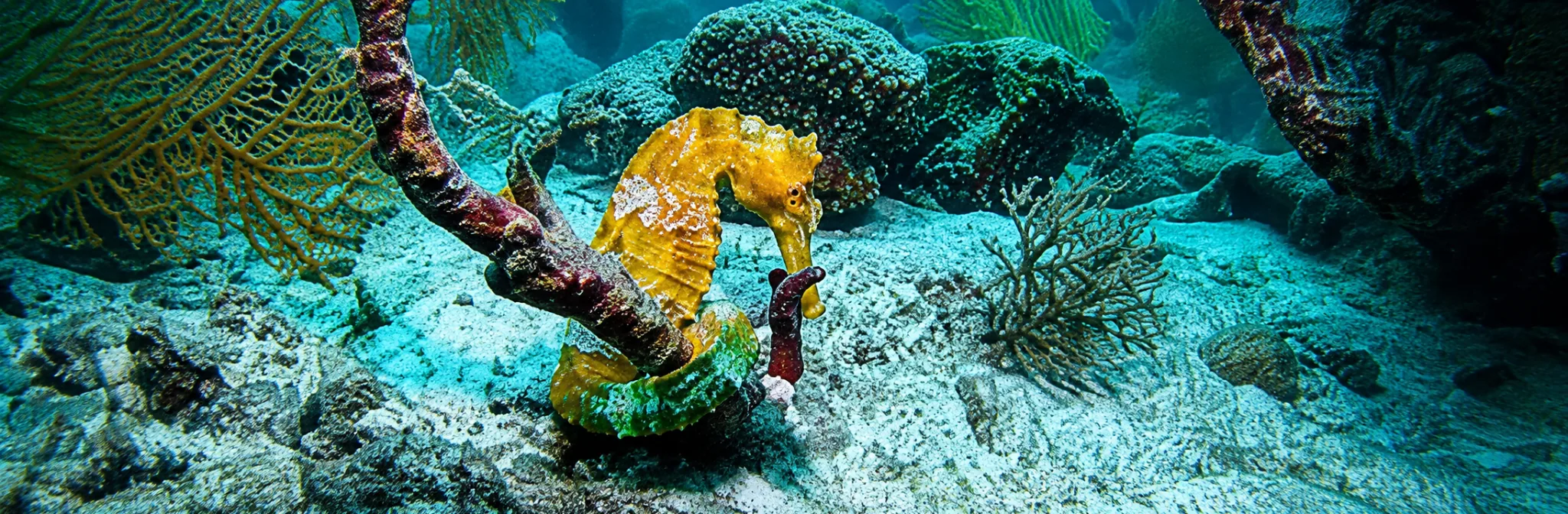
Seahorse
Hidden among submerged vegetation and lava formations, seahorses are one of Los Túneles' signature wildlife encounters.
 Very Easy
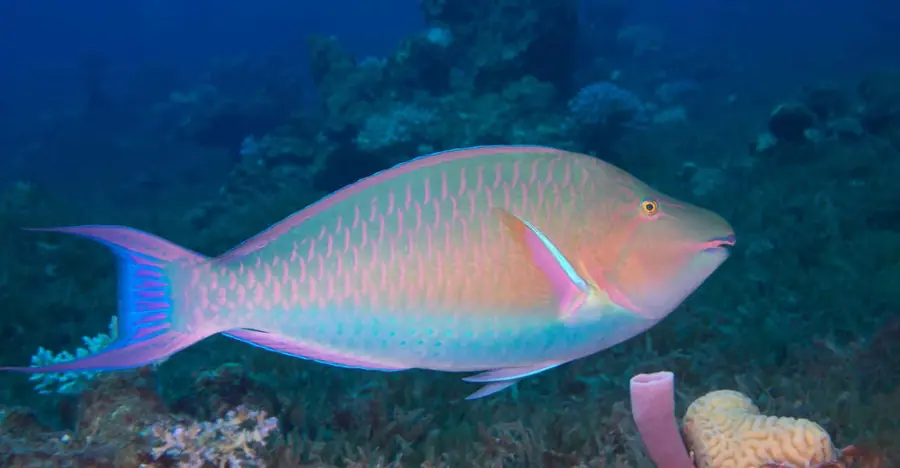
Parrotfish
Colorful reef fish frequently encountered while snorkeling around rocky reefs throughout Galápagos.
ANCIENT ISLAND SURVIVORS
Reptiles
From marine iguanas that forage beneath the Pacific to giant tortoises roaming volcanic highlands, Galápagos reptiles reveal some of the archipelago's most extraordinary examples of adaptation and evolution.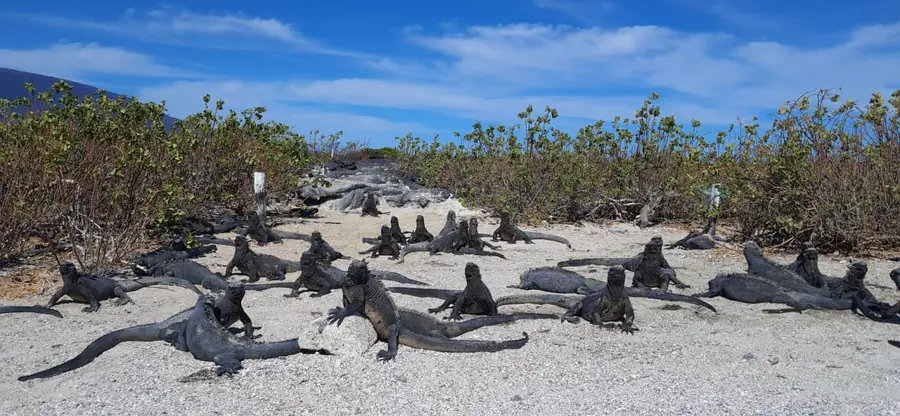 Very Easy
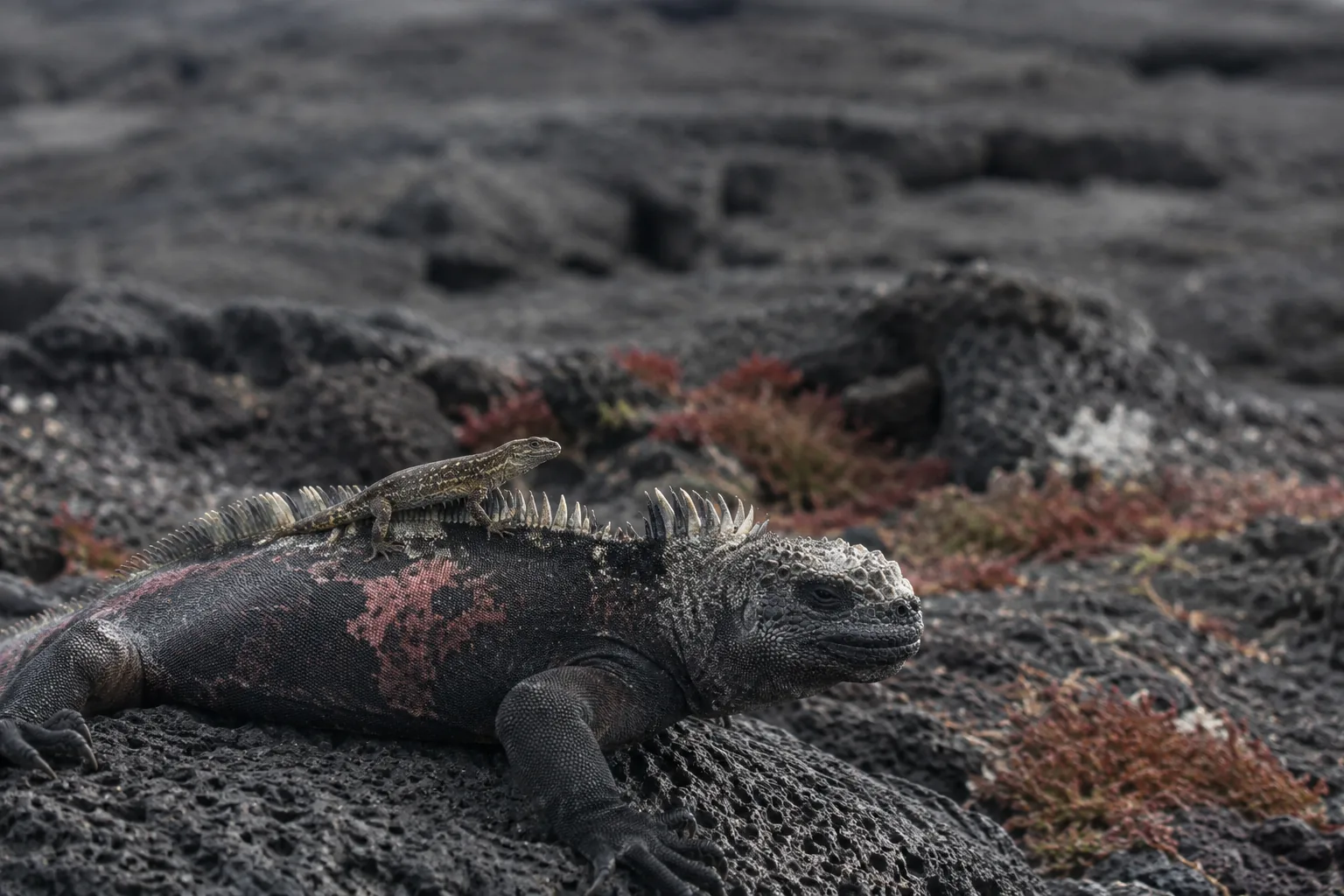
Marine Iguana
EndemicThe world's only marine iguana. These remarkable reptiles warm themselves on black volcanic rocks before feeding along the coast and underwater.
 Very Easy
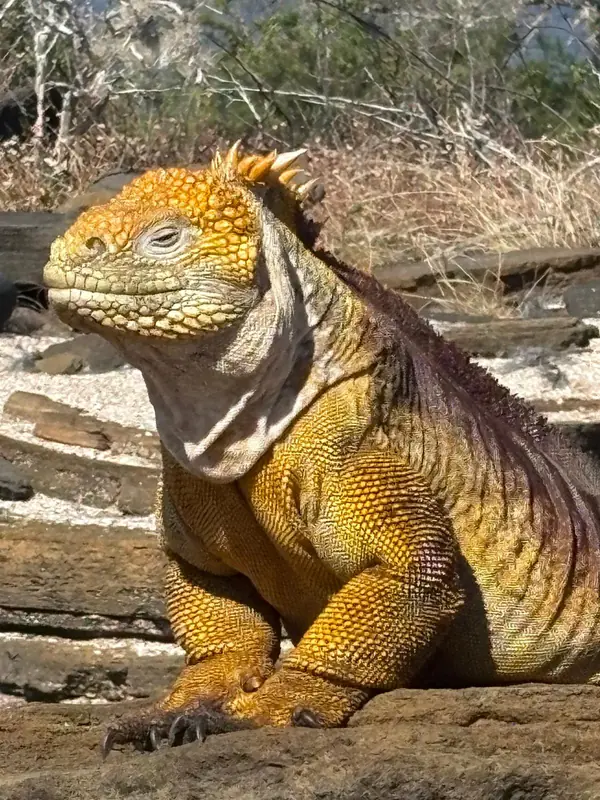
Galápagos Land Iguana
EndemicLarge yellow-golden iguanas of the Galápagos dry zone, often observed near trails, cactus forests and open volcanic landscapes.
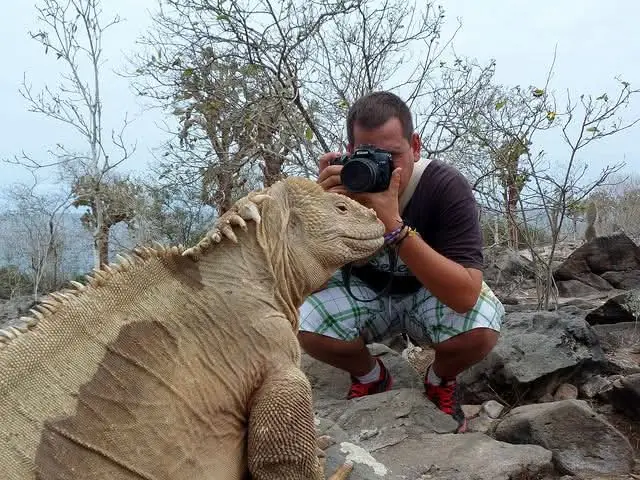 Moderate
Santa Fe Land Iguana
EndemicAn endemic land iguana found only on Santa Fe Island. Its pale coloration and isolated range make it one of the archipelago's most distinctive reptiles.
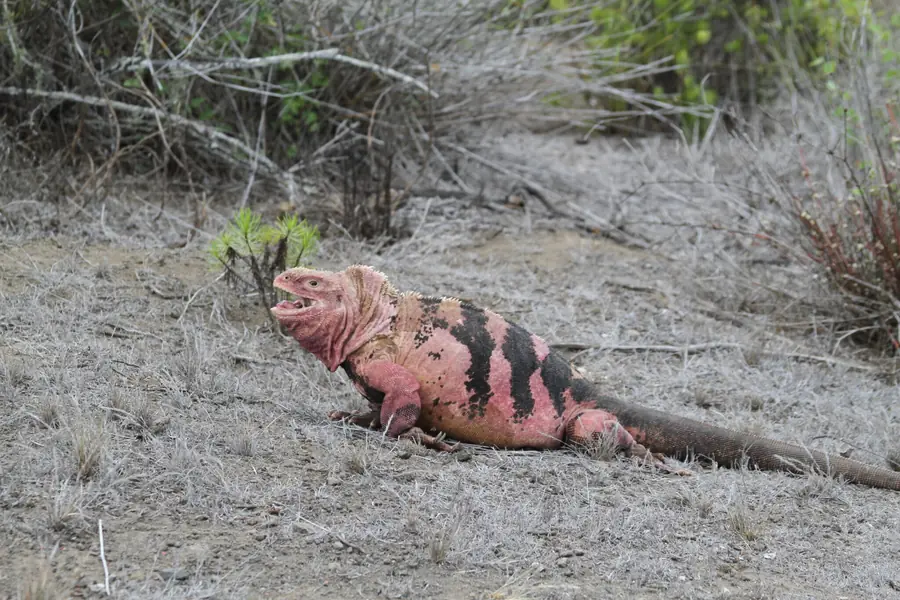 Very Difficult
Pink Land Iguana
EndemicOne of the rarest reptiles in Galápagos, the pink land iguana survives in a highly restricted habitat around Wolf Volcano in northern Isabela.
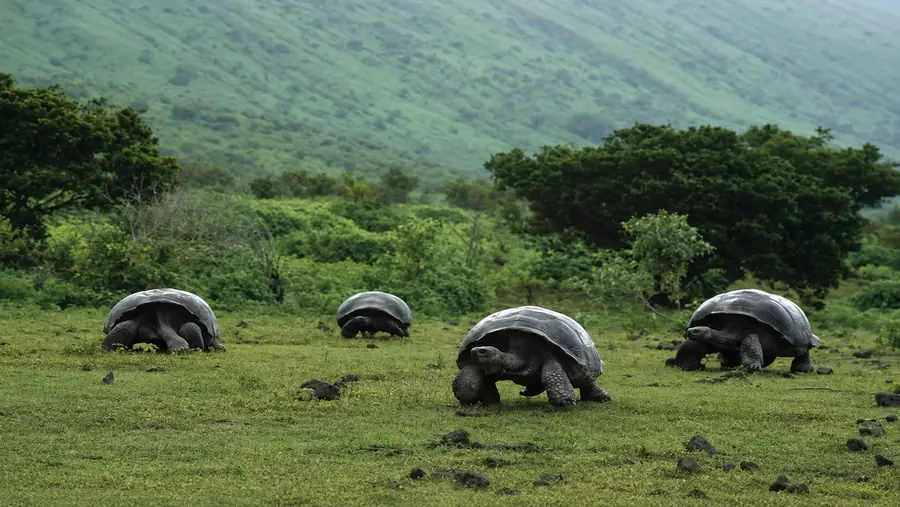 Very Easy
Galápagos Giant Tortoise
EndemicOne of the signature wildlife encounters of Galápagos, with excellent opportunities to observe giant tortoises roaming naturally through island highlands.
 Very Easy
Galápagos Lava Lizard
EndemicSmall, active and frequently encountered, lava lizards can often be seen basking on volcanic rocks, beside trails and among dry coastal vegetation.
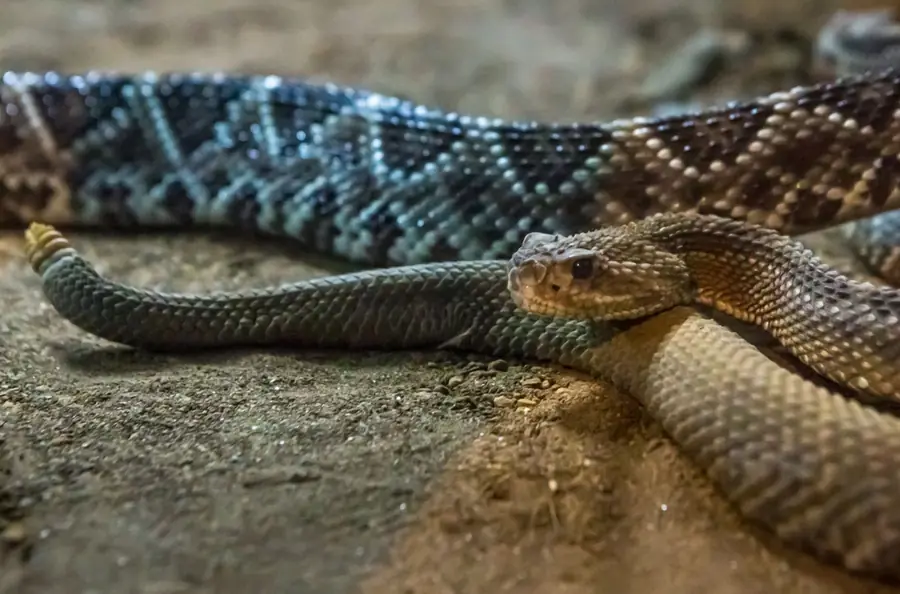 Difficult
Galápagos Racer Snake
EndemicFast-moving and elusive, Galápagos racer snakes are much less predictable to encounter than iguanas, giant tortoises or lava lizards.
LIFE IN THE SKIES
Birds
From blue-footed boobies and prehistoric-looking cormorants to flamingos, penguins and the magnificent waved albatross, Galápagos offers some of the world's most distinctive birdwatching encounters.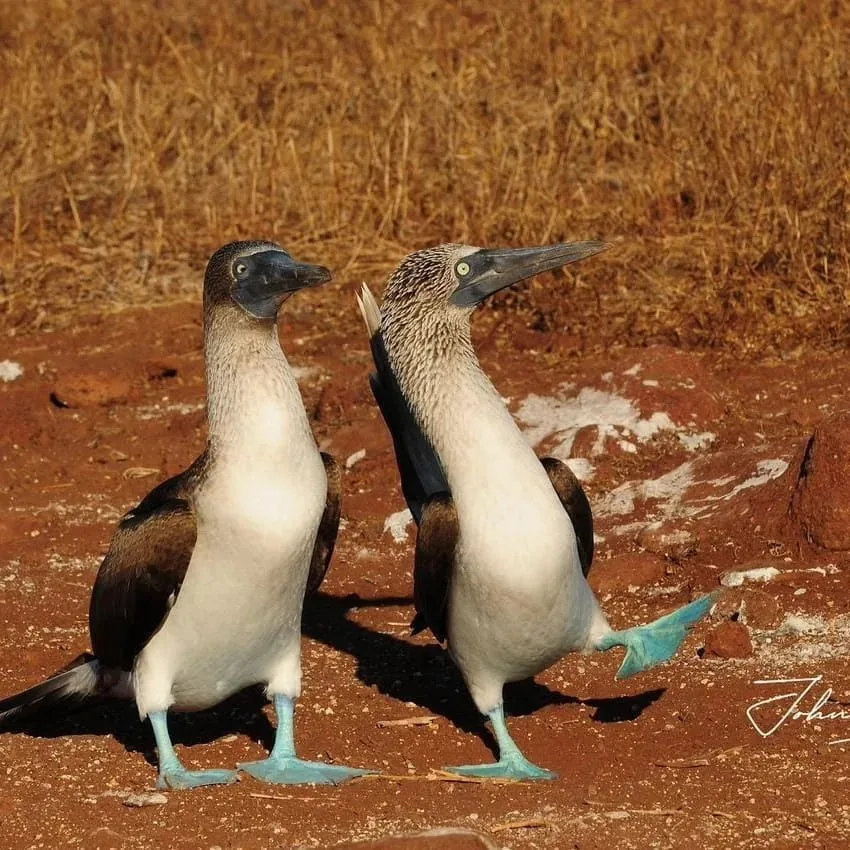 Very Easy
Blue-footed Booby
Famous for its brilliant blue feet and elaborate courtship dance, this is one of the most recognizable birds of Galápagos.
 Moderate
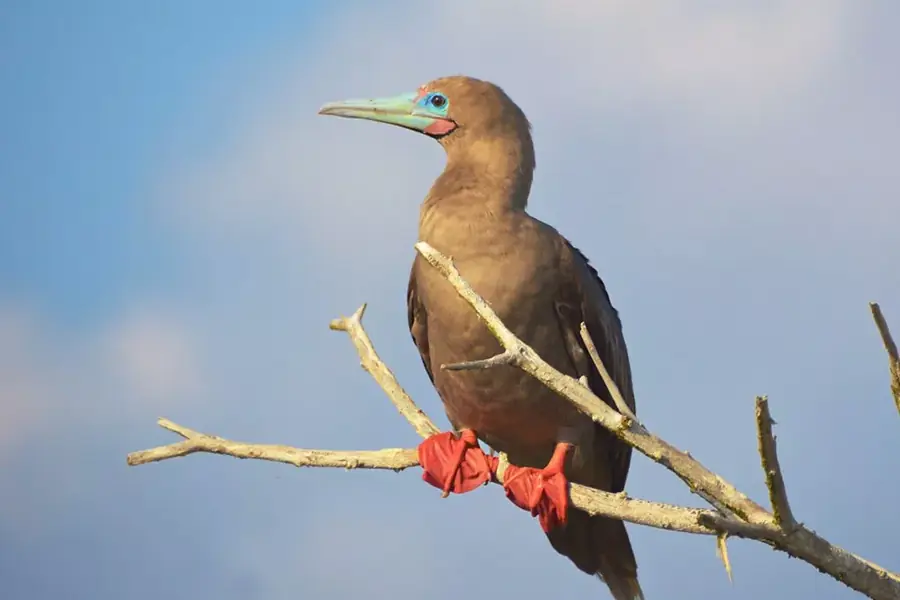
Red-footed Booby
The smallest Galápagos booby and the only one that regularly nests in trees. Genovesa and Punta Pitt are its signature visitor locations.
 Easy
Easy
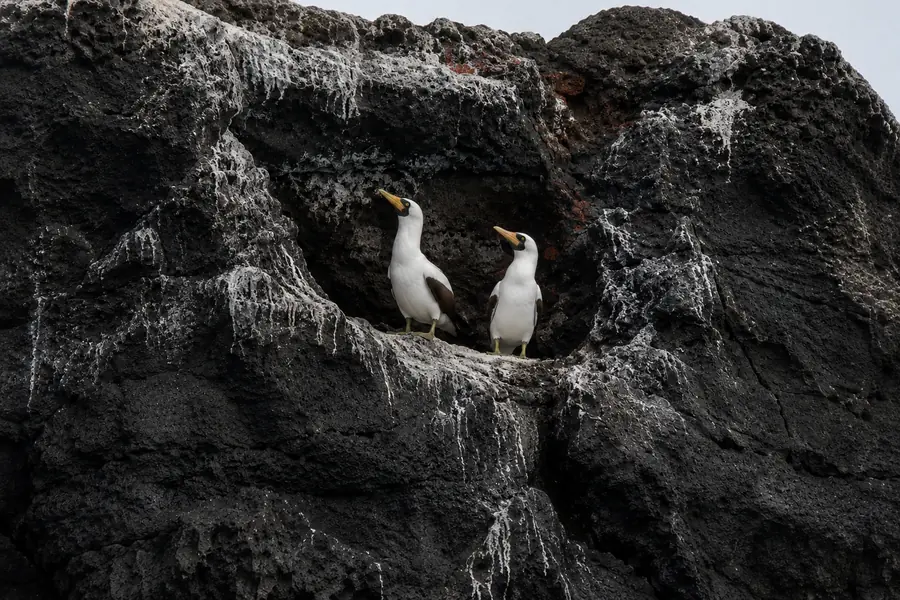
Nazca Booby
The largest of the three Galápagos boobies, easily recognized by its white plumage, black wings and orange-colored bill.
 Easy
Easy
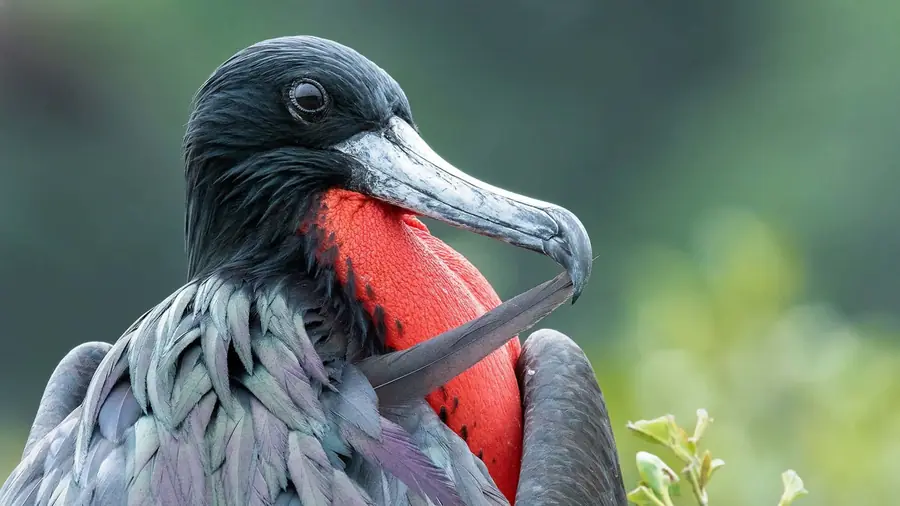
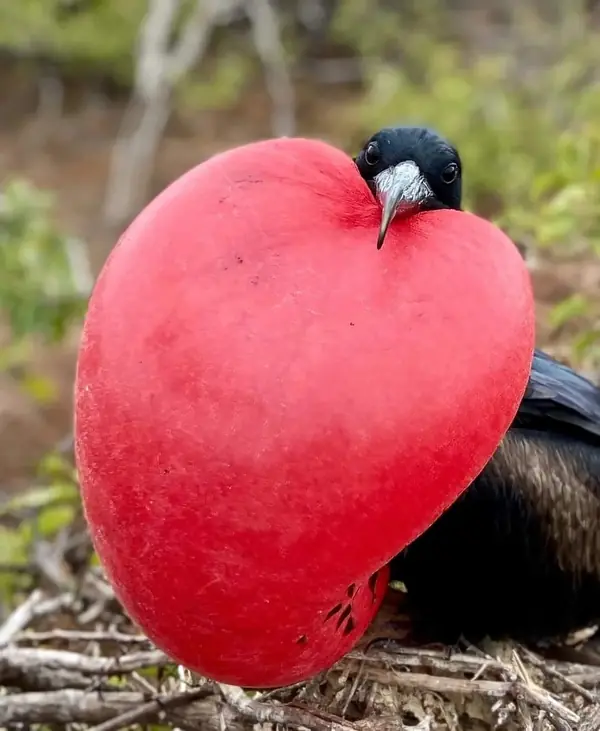
Magnificent Frigatebird
Males display a spectacular red throat pouch during courtship. Their dark plumage can show a distinctive purplish sheen.
 Easy
Easy
Great Frigatebird
Similar to the Magnificent Frigatebird, but adult males typically show a greenish sheen on the dark feathers.
 Moderate
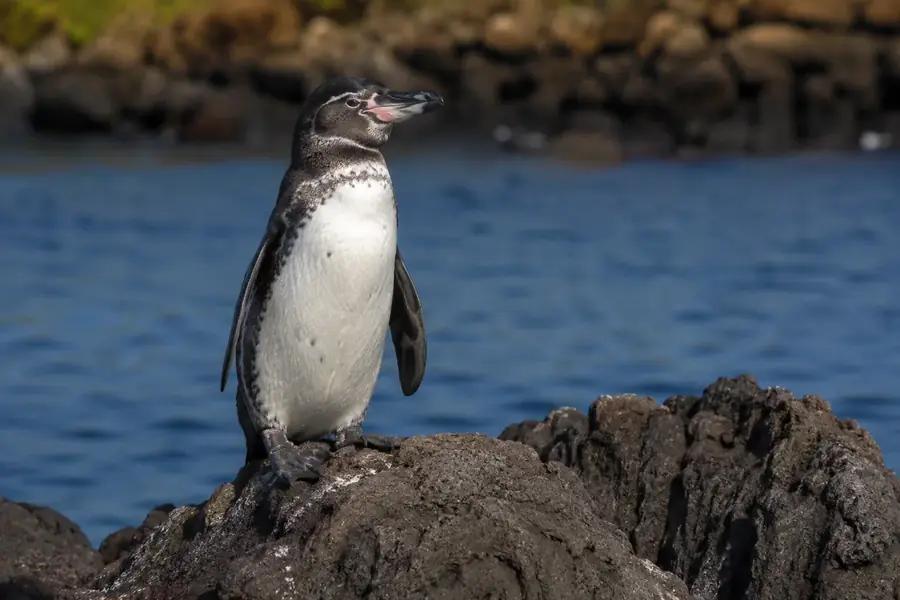
Galápagos Penguin
EndemicOne of the world's rarest penguins and the only penguin naturally found this far north near the Equator.
 Moderate
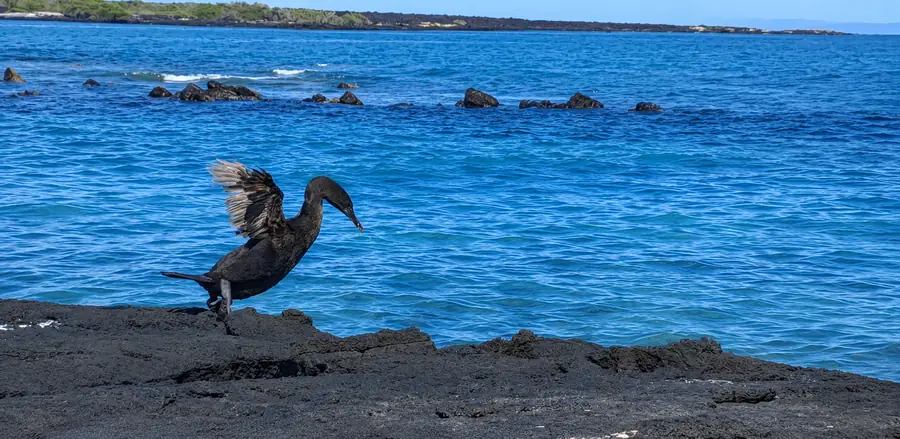
Flightless Cormorant
EndemicFound nowhere else on Earth, this extraordinary cormorant lost the ability to fly and became a powerful underwater hunter.
 Moderate
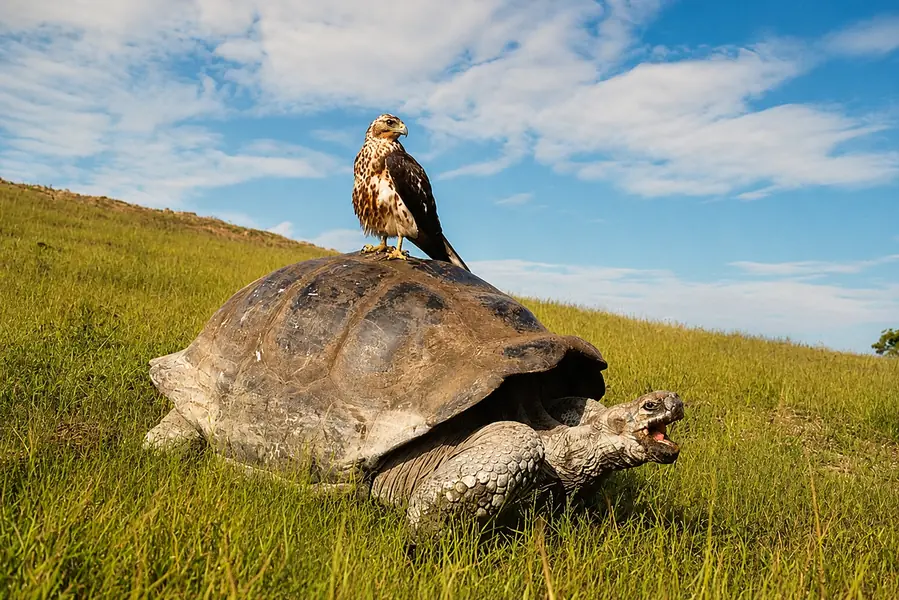
Galápagos Hawk
EndemicThe archipelago's top native land predator, often seen soaring above lava fields or watching visitor trails from exposed perches.
 Easy
Easy
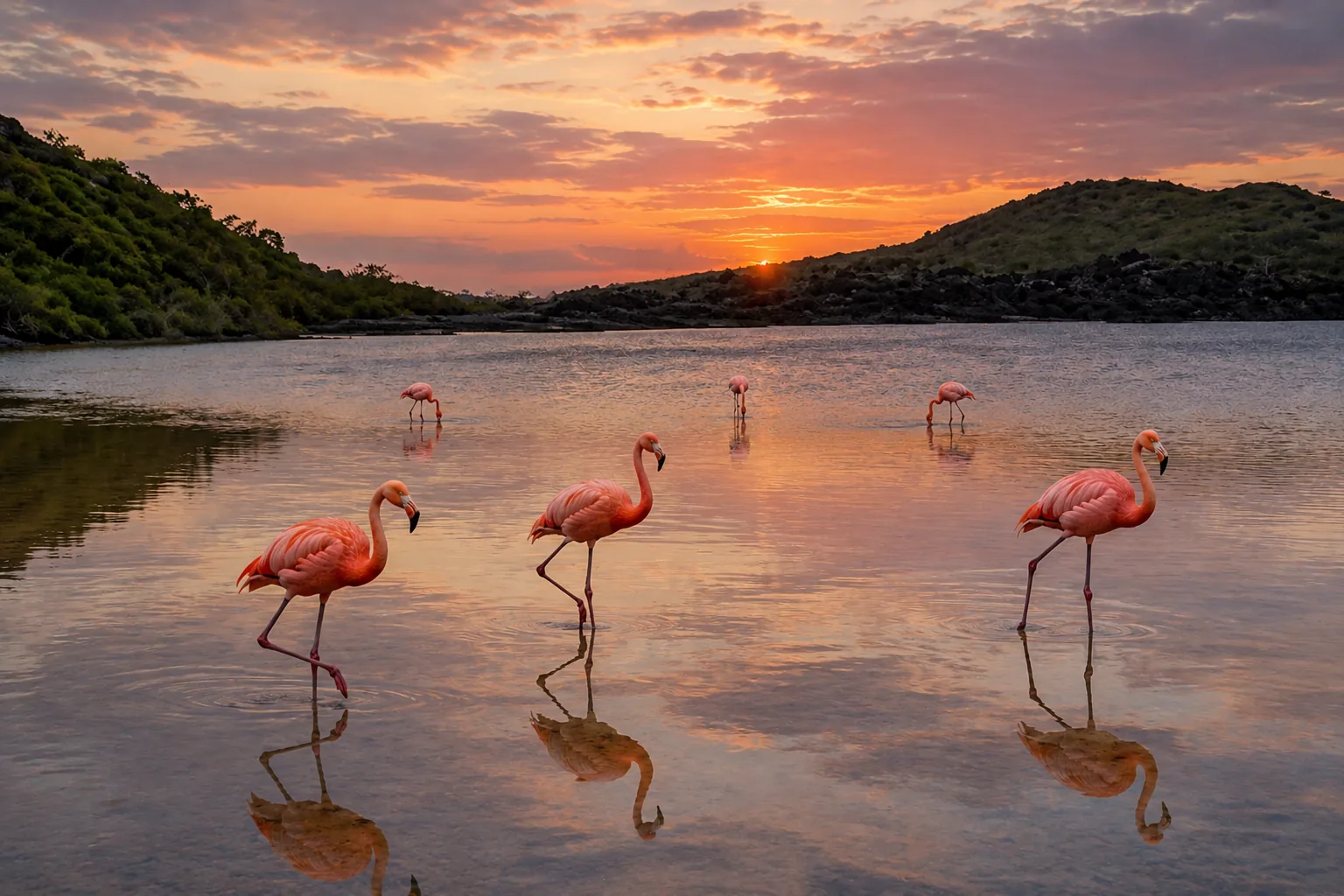
American Flamingo
Brilliant pink flamingos inhabit shallow saltwater lagoons, with Isabela offering some of the most accessible sightings.
 Moderate
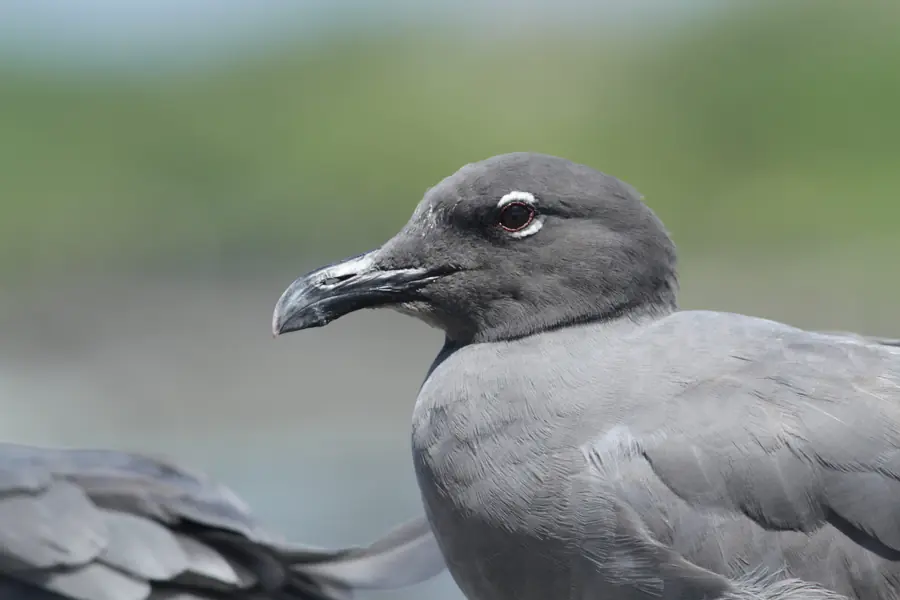
Lava Gull
EndemicOne of the world's rarest gulls, this dark gray Galápagos endemic blends remarkably well with volcanic coastlines.
 Easy
Easy
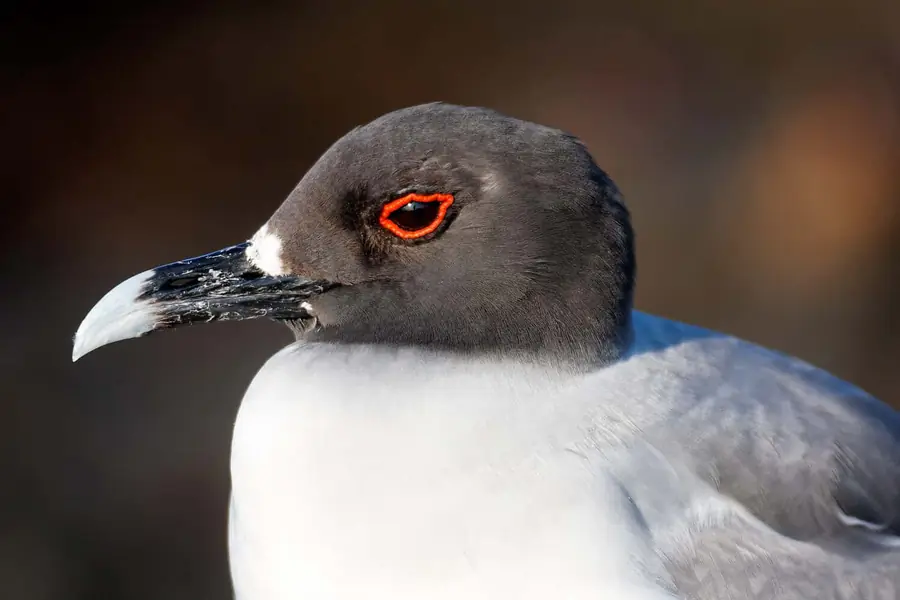
Swallow-tailed Gull
A striking nocturnal gull with a red eye ring and forked tail, specially adapted to feeding over the ocean at night.
 Very Easy
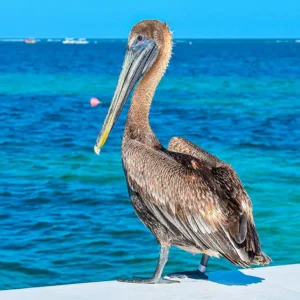
Brown Pelican
One of the easiest seabirds to observe, often seen diving for fish or resting around beaches, docks and fishing areas.
 Very Easy
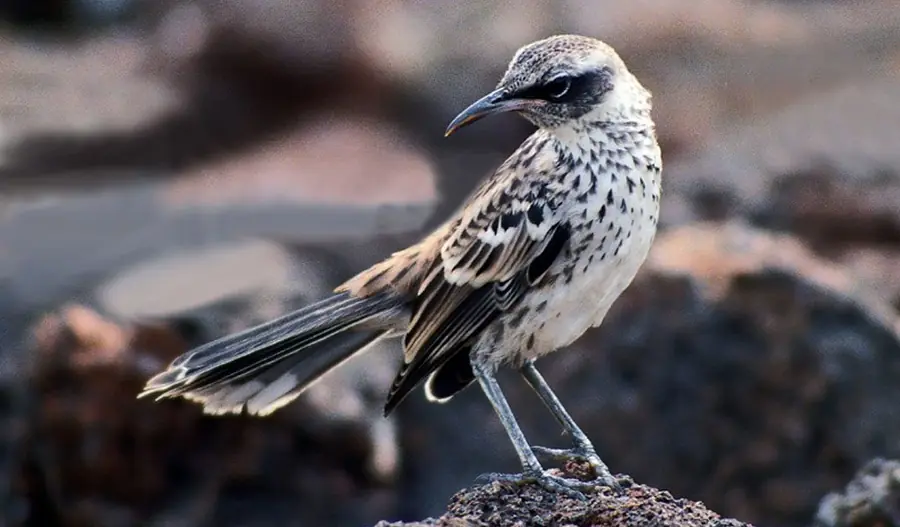
Galápagos Mockingbird
EndemicBold, curious and highly adaptable, mockingbirds played an important role in Darwin's observations of variation between the Galápagos Islands.
 Very Easy
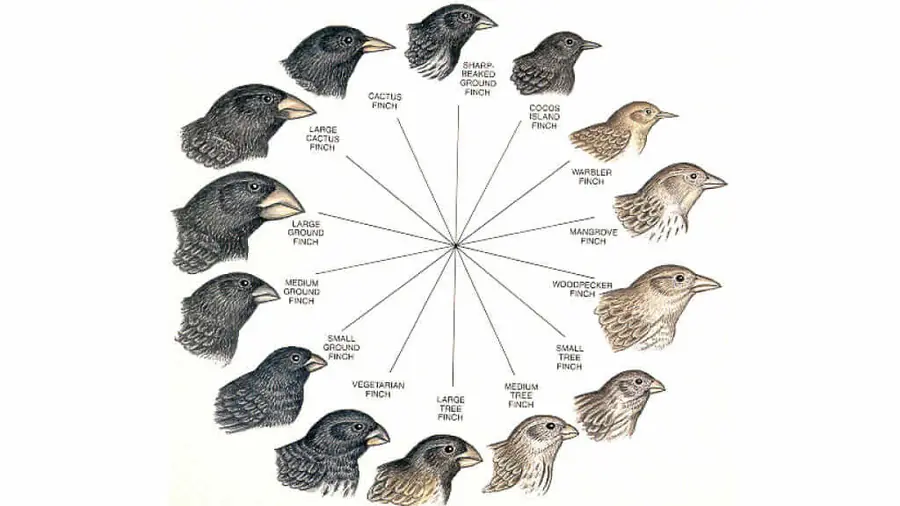
Darwin's Finches
EndemicA celebrated group of closely related birds whose different beak shapes became an enduring symbol of adaptation and evolution.
 Very Easy
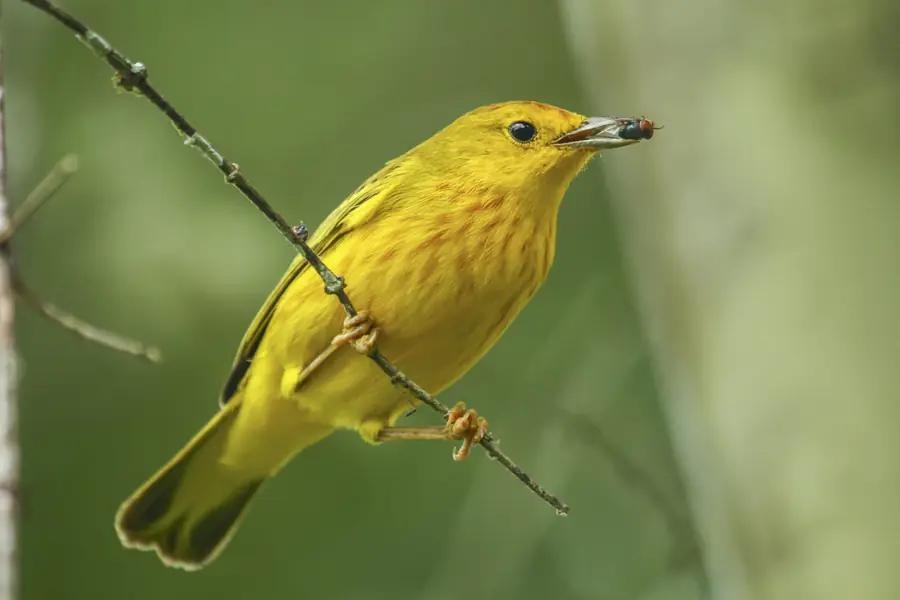
Yellow Warbler
A small, brilliant yellow songbird frequently seen among shrubs, mangroves, gardens and vegetation near visitor trails.
 Easy in season
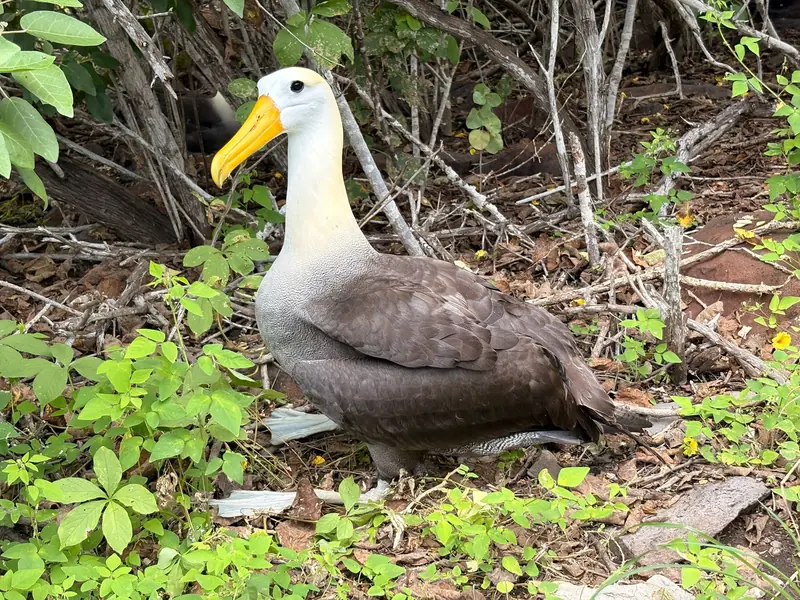
Waved Albatross
One of Galápagos' most spectacular seabirds, famous for its huge wingspan, elaborate courtship displays and seasonal breeding colony on Española.
EXPLORE BY ISLAND
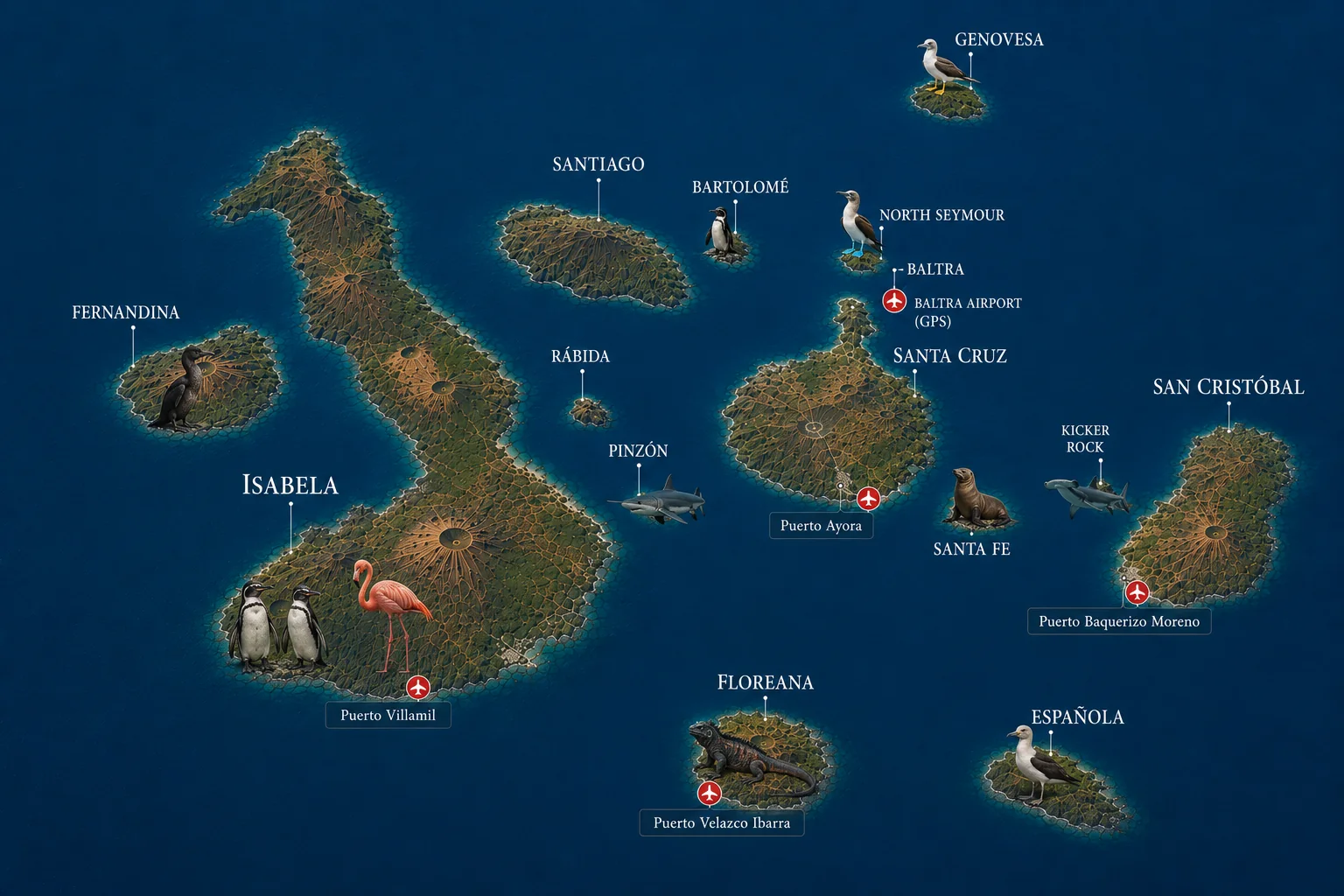
Galápagos Interactive Wildlife Map
Select an island to discover its wildlife, landscapes and recommended experiences across the Galápagos archipelago.
Select a red point on the map