
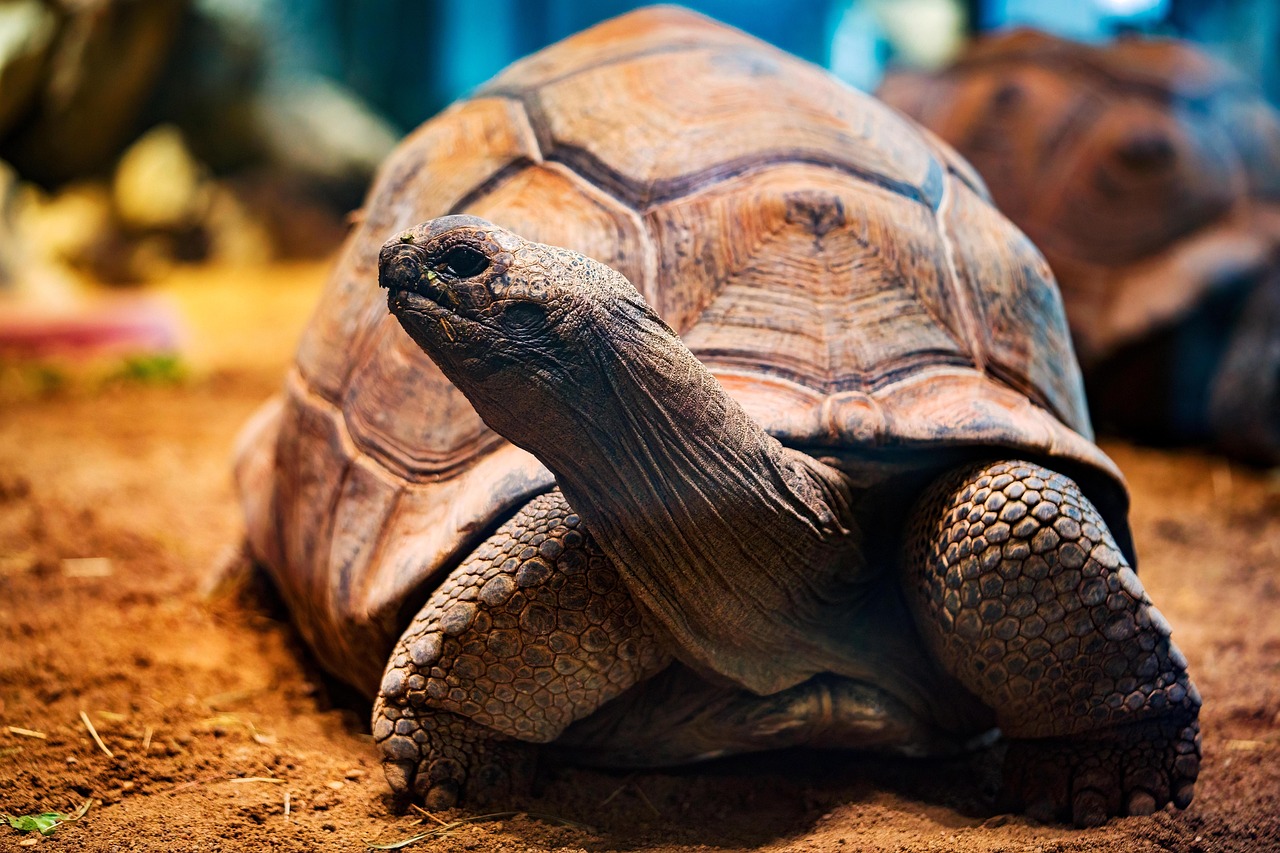
In a momentous event for global conservation, the giant tortoises of Floreana Island have finally returned home. For the first time in nearly 200 years, these “ecosystem engineers” are once again roaming the volcanic landscapes where their ancestors were once driven to extinction.
On February 20, 2026, a total of 158 juvenile tortoises were released onto Floreana. This marks the first phase of an ambitious rewilding effort by the Galápagos National Park Directorate and its partners, with plans to eventually reintroduce a total of 700 animals to the island.
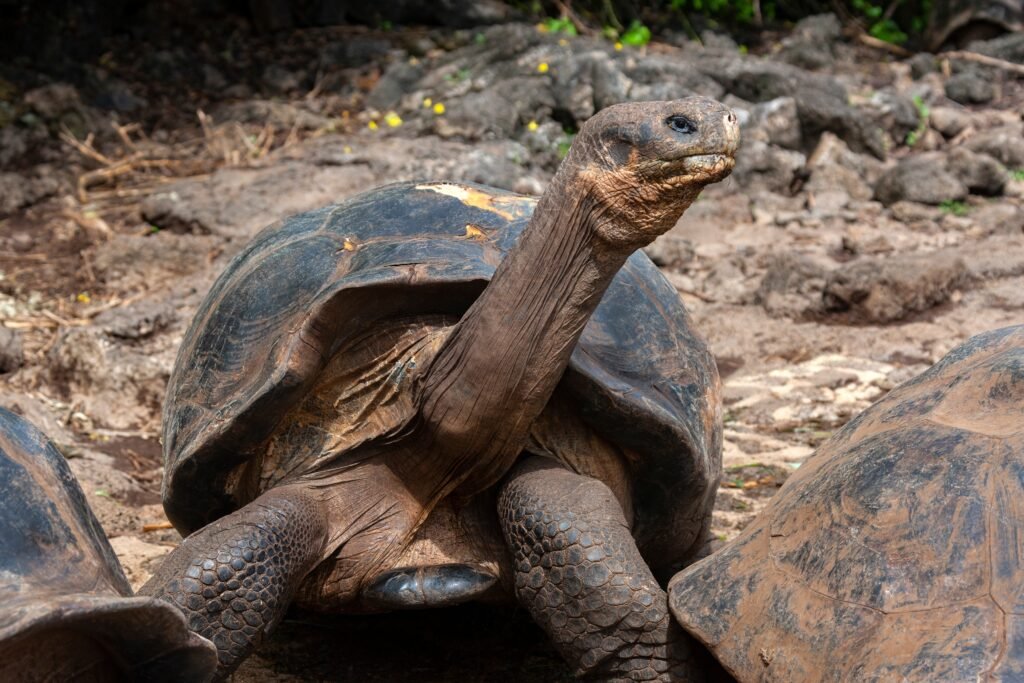
The original Floreana species (Chelonoidis niger niger) vanished in the mid-1800s—shortly after Charles Darwin’s historic visit in 1835—due to overexploitation by whalers and the introduction of invasive species.
Science Meets Determination
The path back to Floreana was anything but short. The project is the culmination of two decades of research and a meticulous “back-breeding” program.
- Genetic Discovery: In 2008, scientists found hybrid tortoises on Wolf Volcano (Isabela Island) carrying DNA from the extinct Floreana lineage.
- Captive Breeding: These individuals were moved to a breeding station on Santa Cruz Island, where they produced hatchlings with up to 80% of the original Floreana genetic makeup.
- Strategic Release: Using NASA satellite data, conservationists mapped the best locations for food and water to ensure the 8-to-13-year-old juveniles have the best chance to thrive.
More Than Just Tortoises
This release is about more than just one species; it’s about healing an entire ecosystem. As keystone species, these tortoises act as “landscape architects”—dispersing seeds, regulating vegetation, and creating habitats for other native animals like iguanas and birds.Their return follows a massive effort to eradicate invasive rats and cats, which had previously decimated the island’s biodiversity.
A “Spine-Tingling” Moment
The local community of roughly 160 residents played a vital role in the homecoming, with many helping to carry the tortoises in crates across difficult volcanic terrain. Dr. Jen Jones of the Galápagos Conservation Trust described the moment as “truly spine-tingling,” noting that it validates decades of collaboration between science and the community.As these young giants take their first steps on ancestral soil, they carry with them the hope that even the most damaged ecosystems can be brought back to life through persistence and scientific innovation.