
The Galápagos Islands—a remote paradise in the Pacific Ocean—are a place like no other. Here, around 1,000 kilometers off the coast of Ecuador, Charles Darwin embarked on a journey in 1835 that would revolutionize science. Today, the islands attract not only researchers but also nature-loving travelers from all over the world.
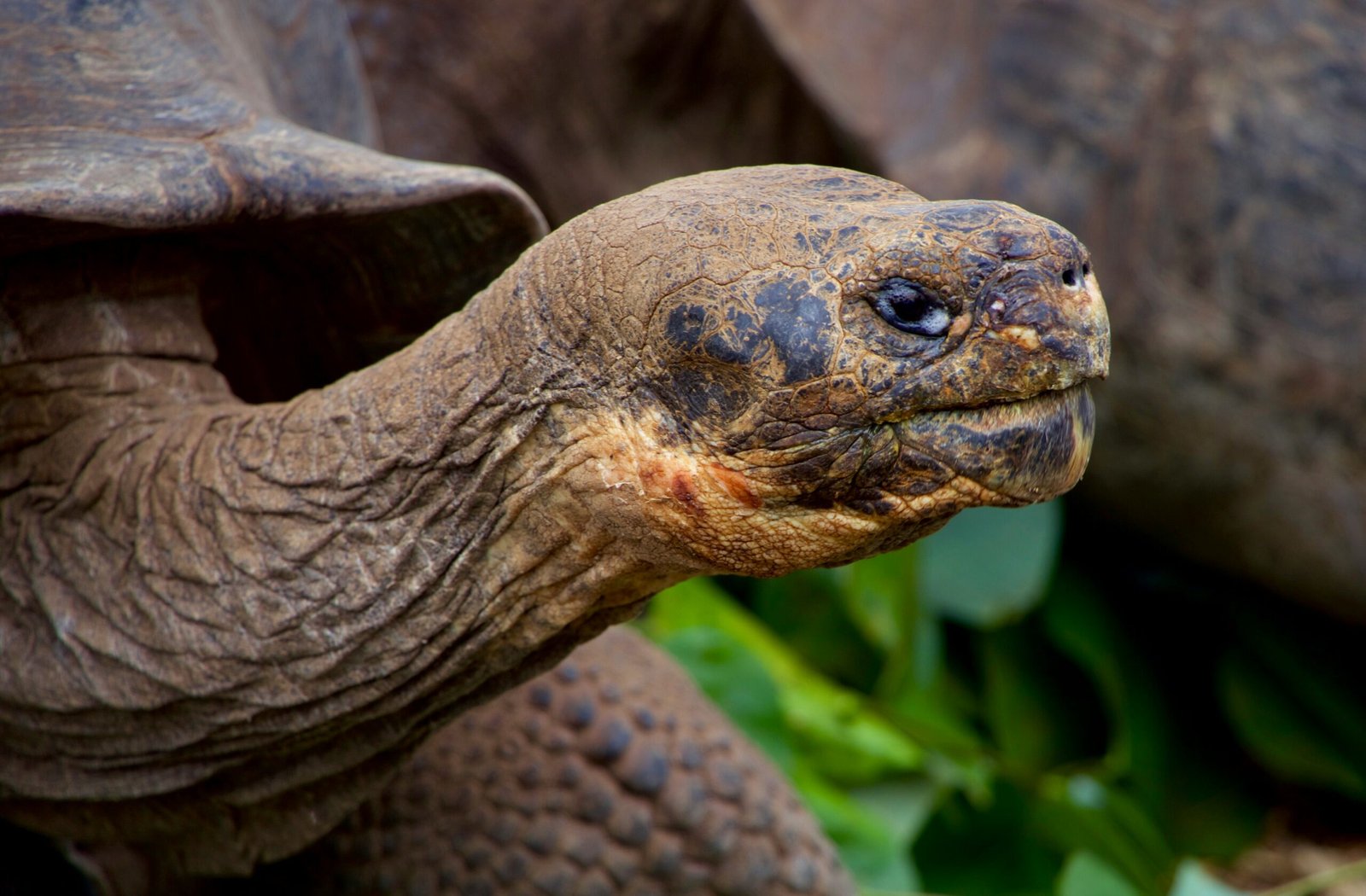
The unique wildlife of the Galápagos is world-famous: giant tortoises that can live for over 100 years, marine iguanas, the only species of lizard that swims in the sea, and colorful finches, whose diversity inspired Darwin to develop his theory of evolution. The proximity to the animals is particularly impressive – in the Galápagos, they are hardly shy of humans.
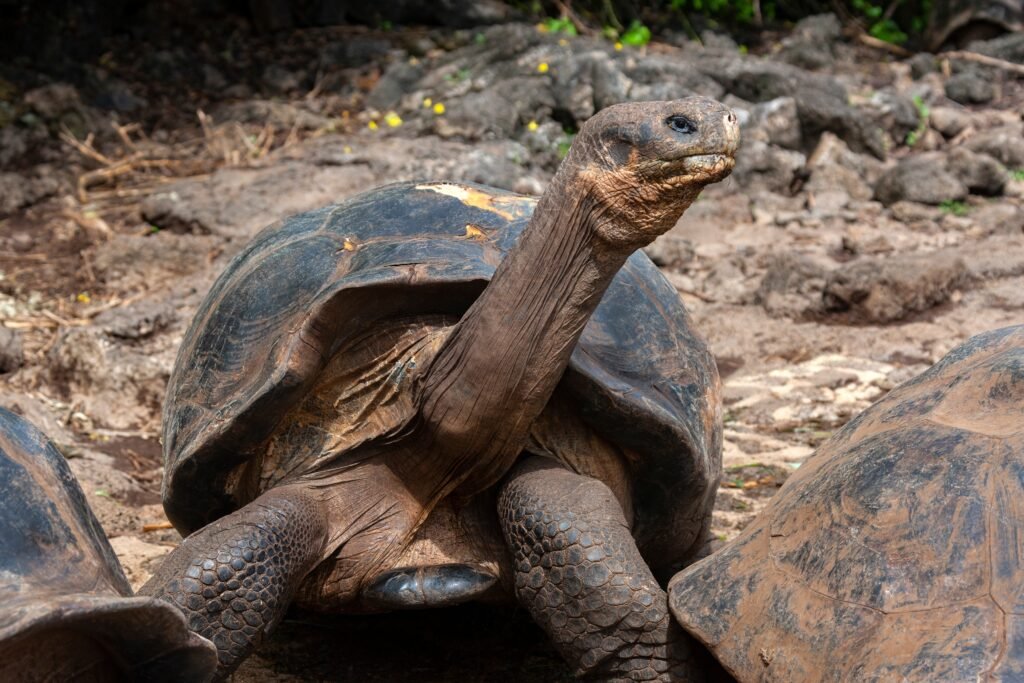
Another highlight is the Galápagos National Park, which protects around 97% of the land area and allows strictly regulated ecotourism. Popular islands such as Santa Cruz, Isabela, and San Cristóbal offer breathtaking volcanic landscapes, white beaches, and fascinating snorkeling areas—often side by side with sea lions, penguins, and sea turtles.
A visit to the Charles Darwin Research Center in Puerto Ayora provides exciting insights into conservation projects and the history of scientific heritage.
The Galápagos Islands are more than just a travel destination—they are a living laboratory of evolution and an impressive example of the power and fragility of nature.